WIJAFRICA
WOMEN IN JOURNALISM
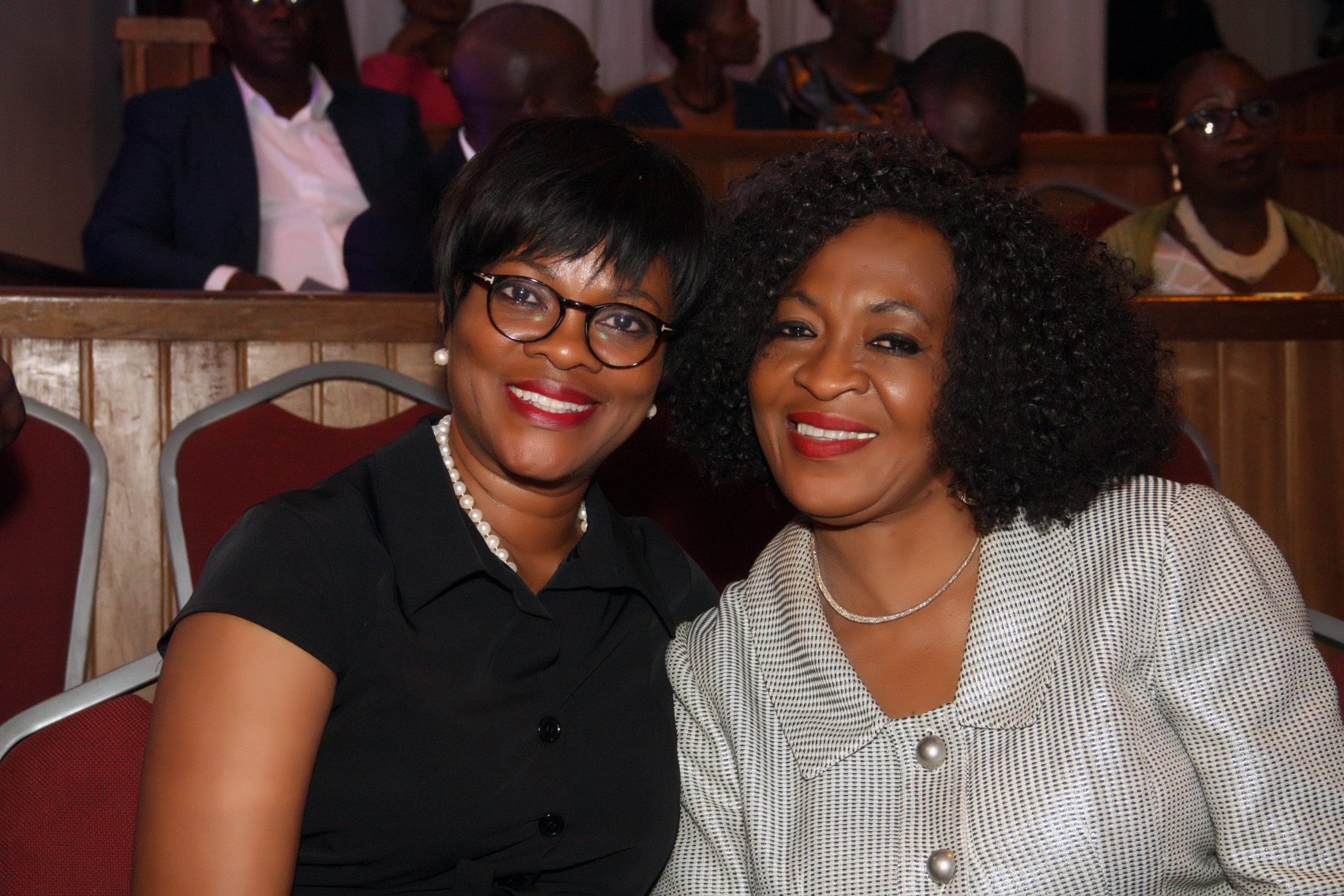
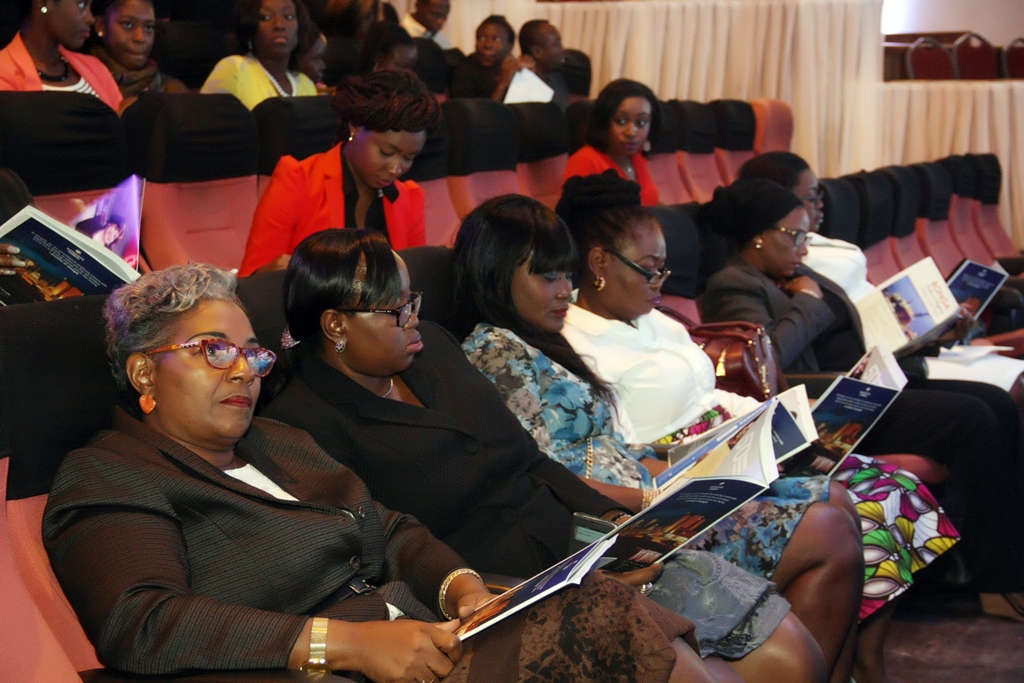
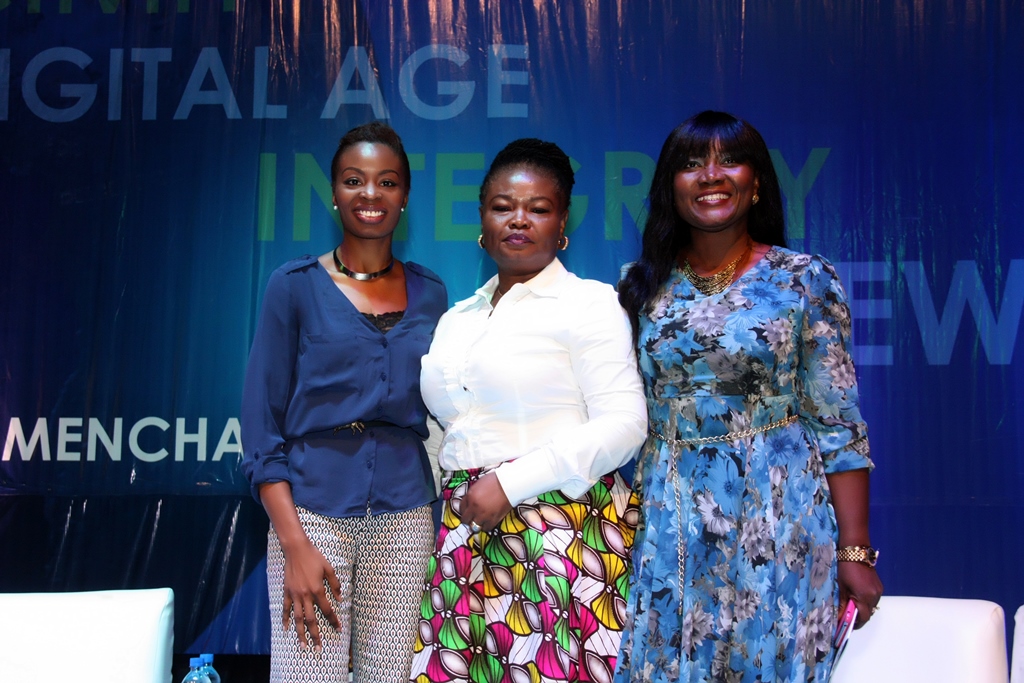
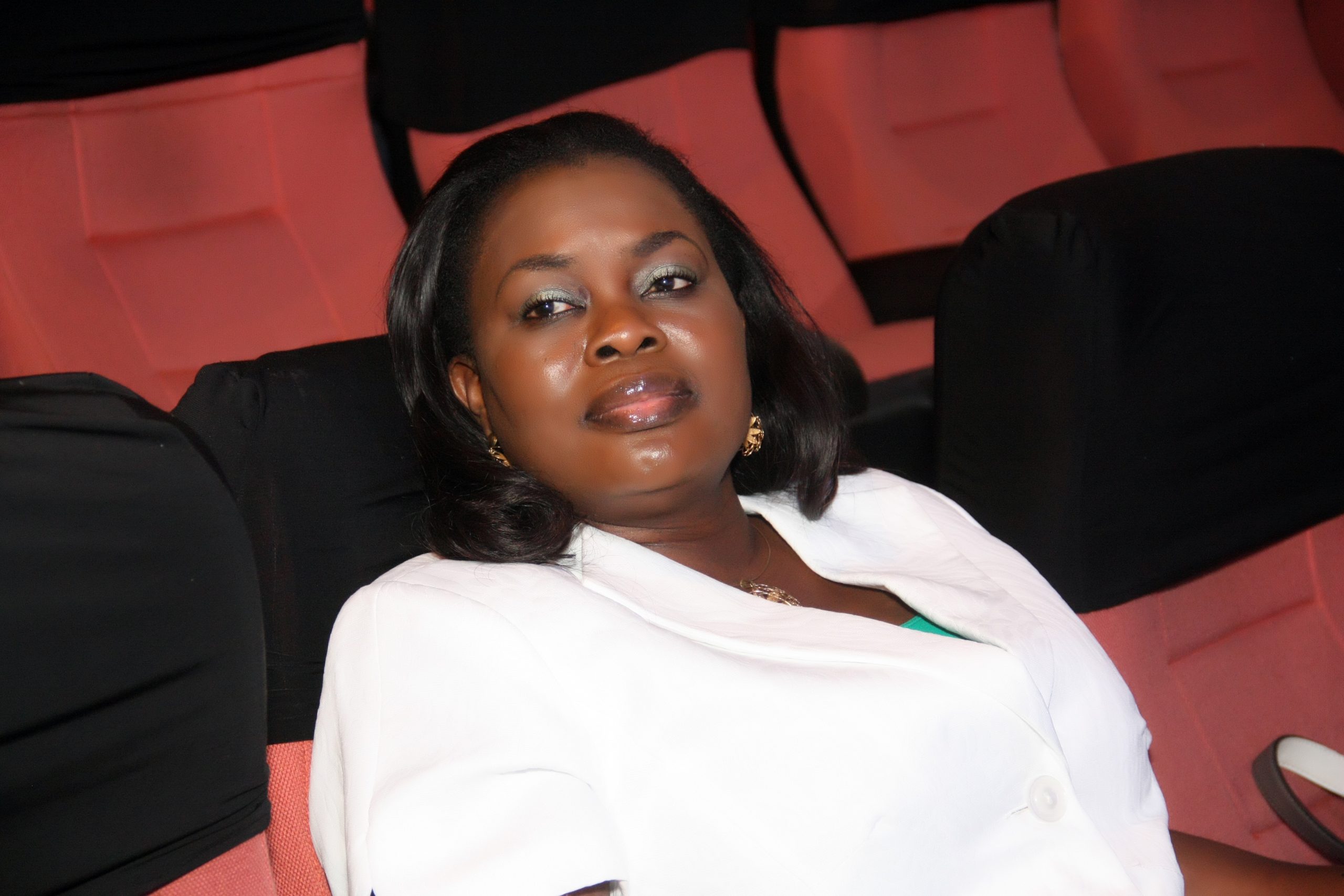
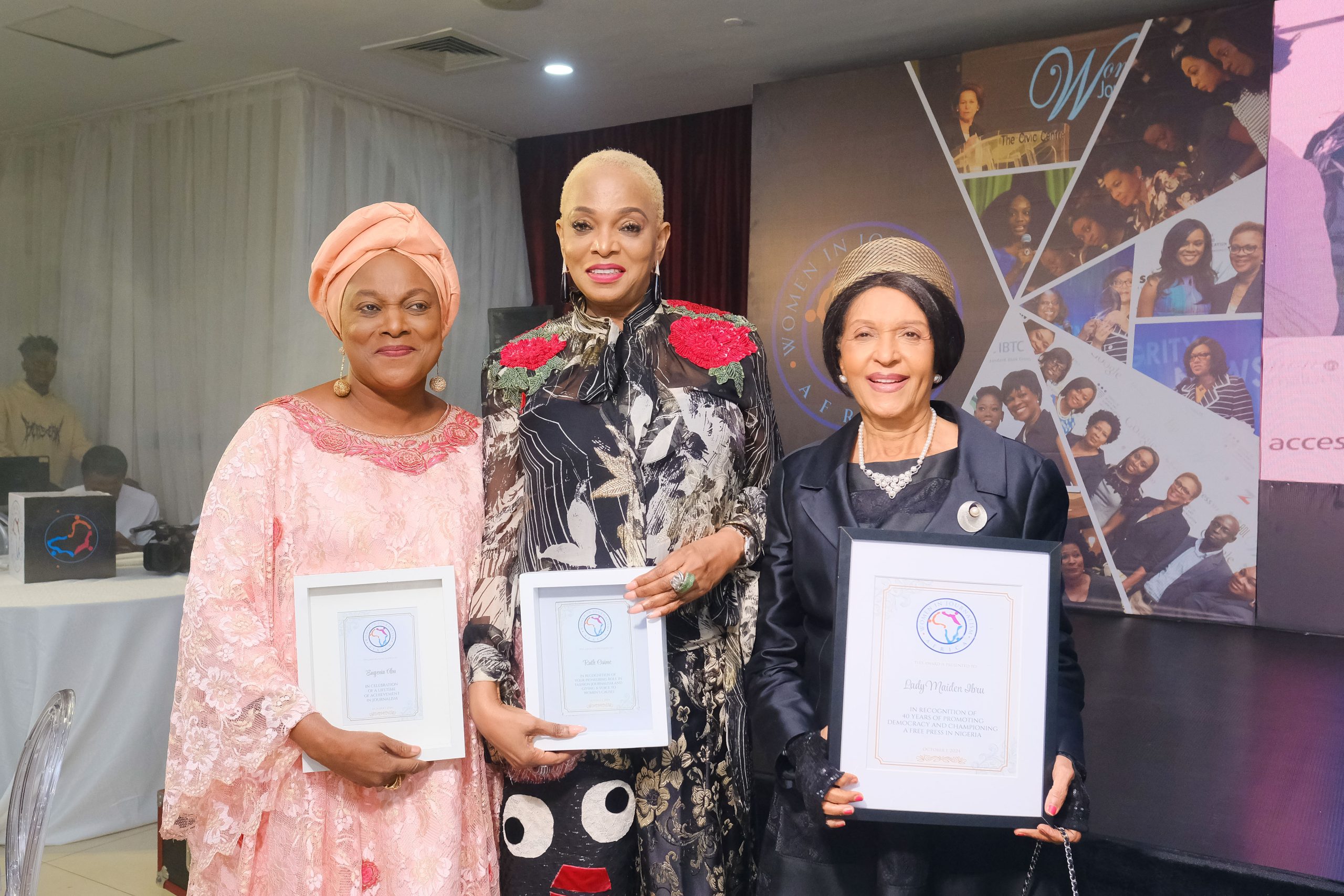
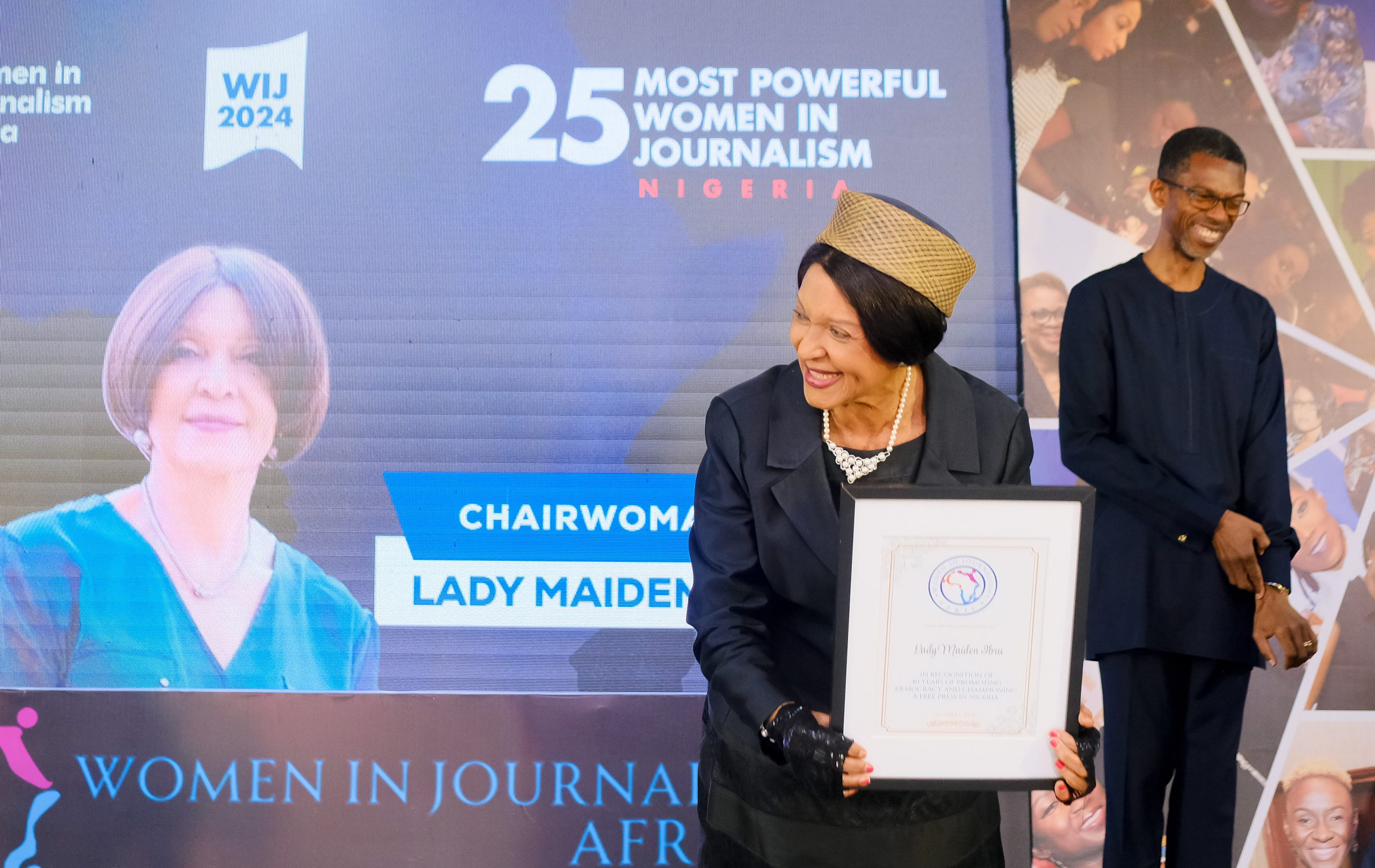
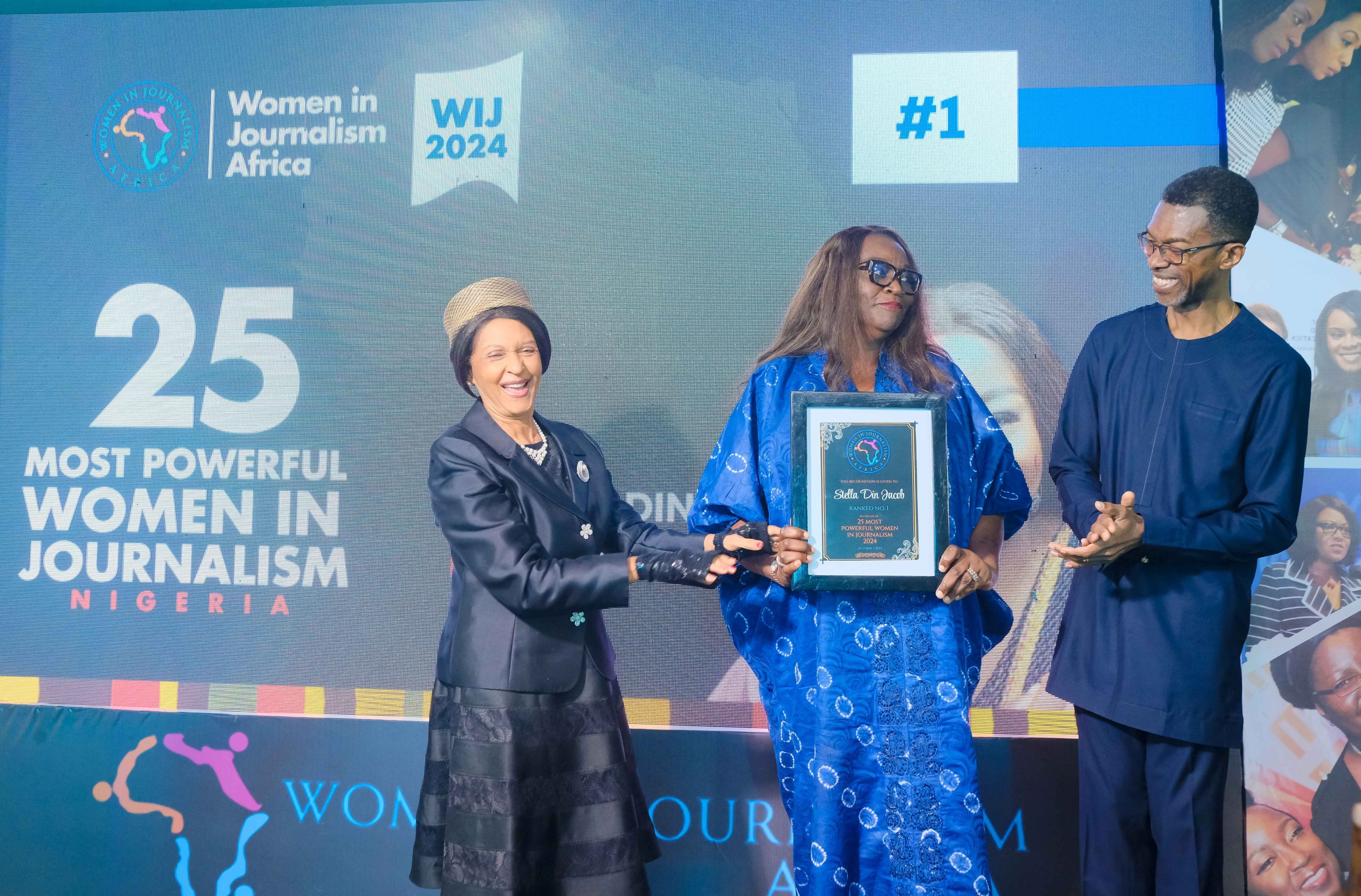
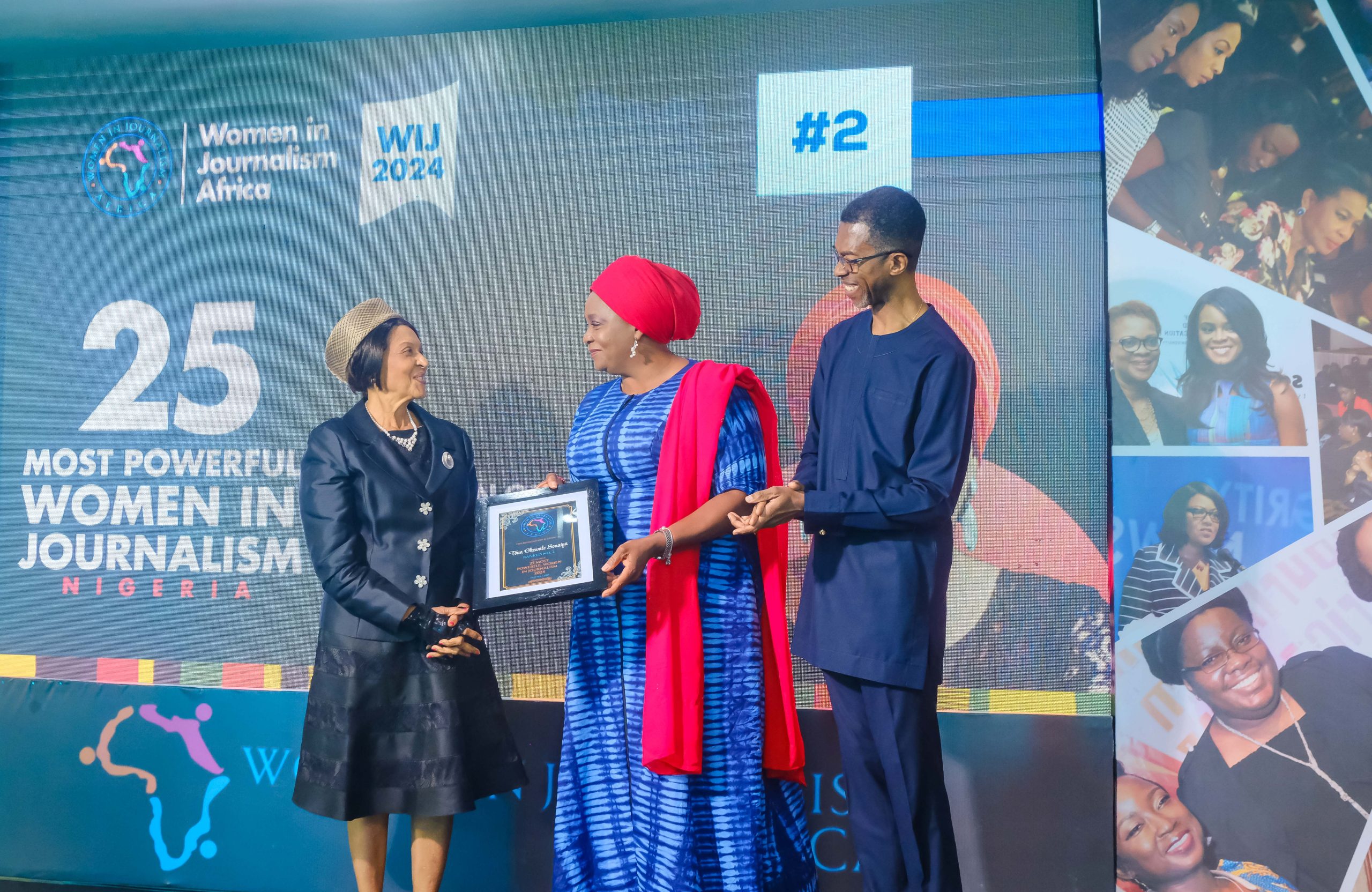
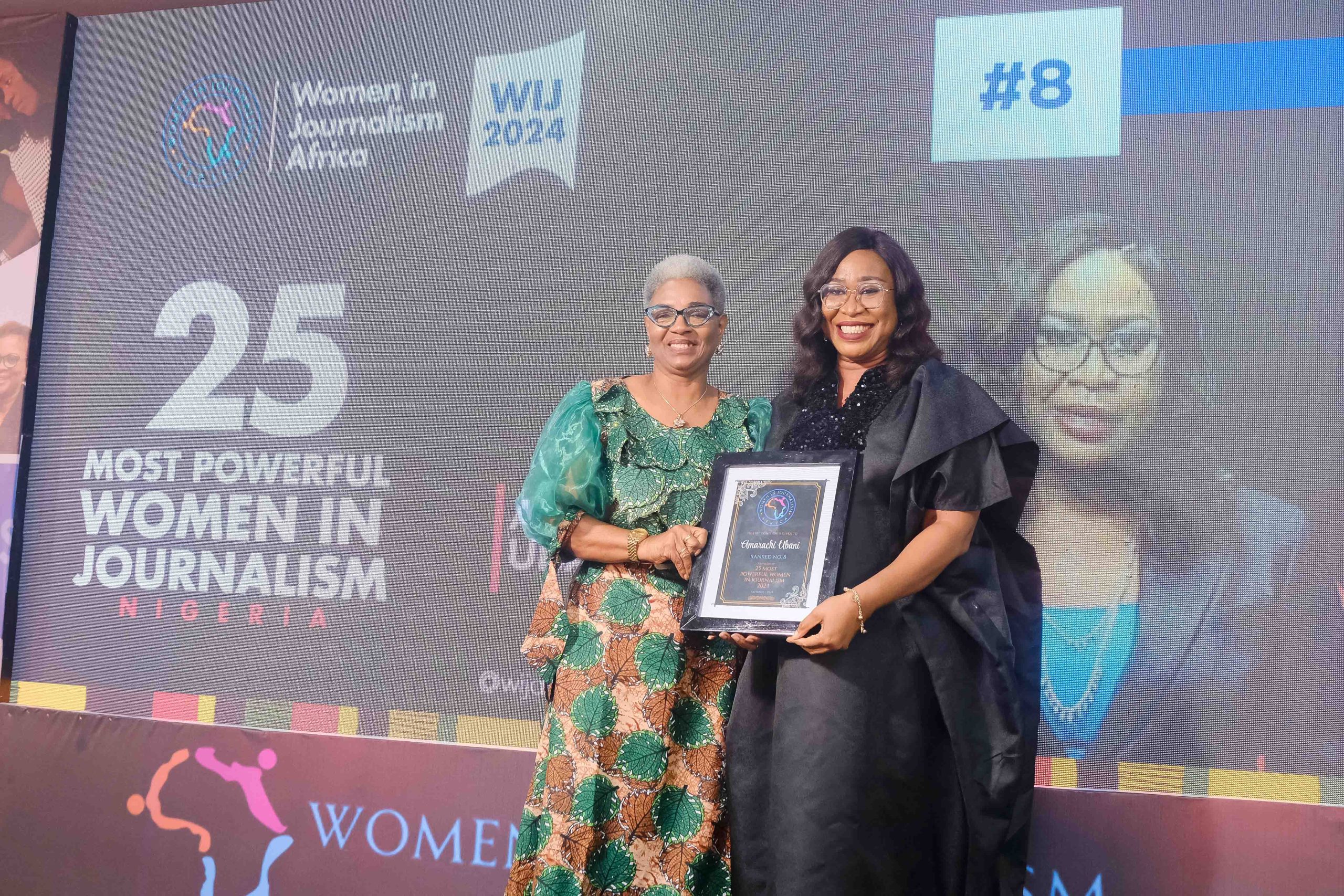
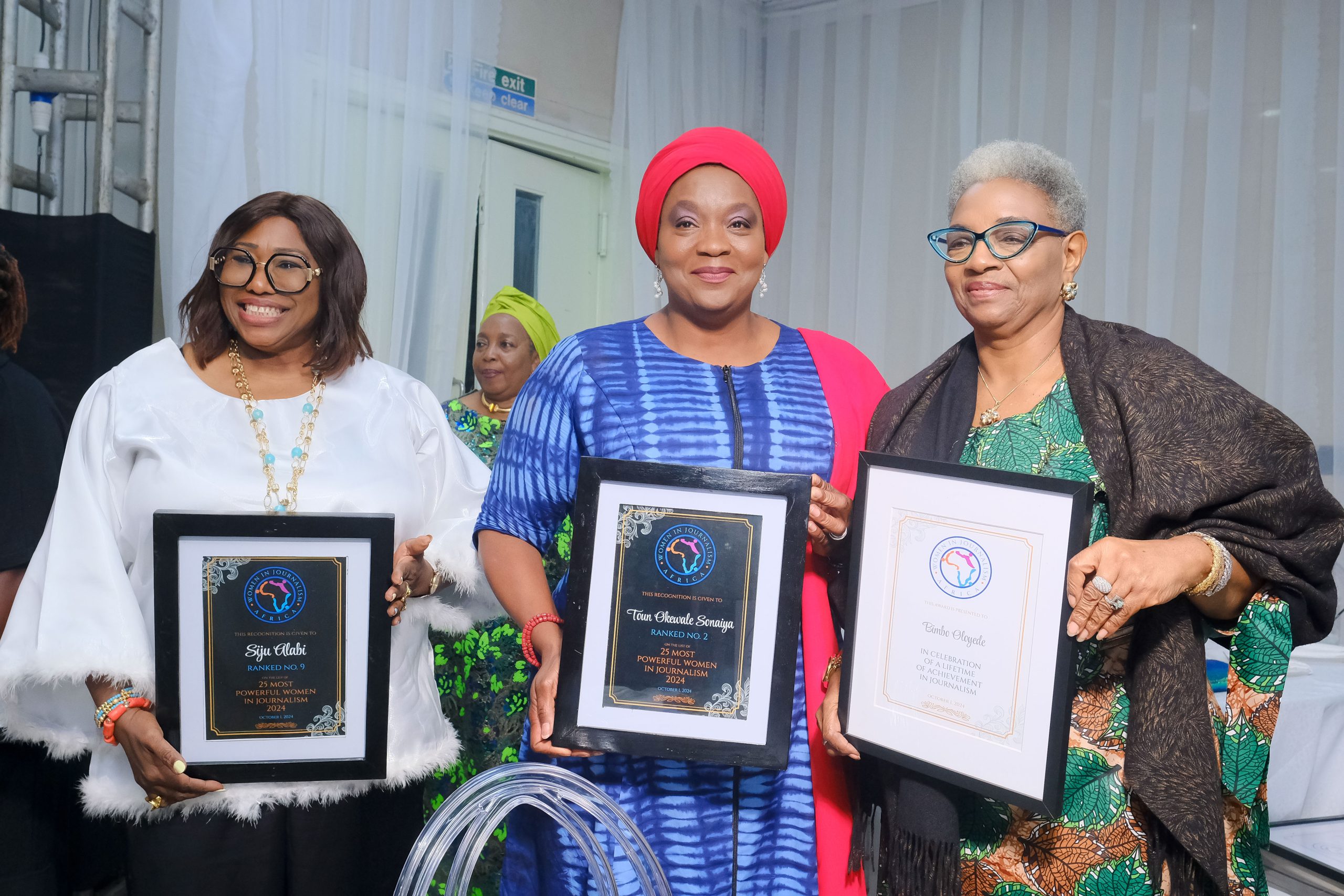
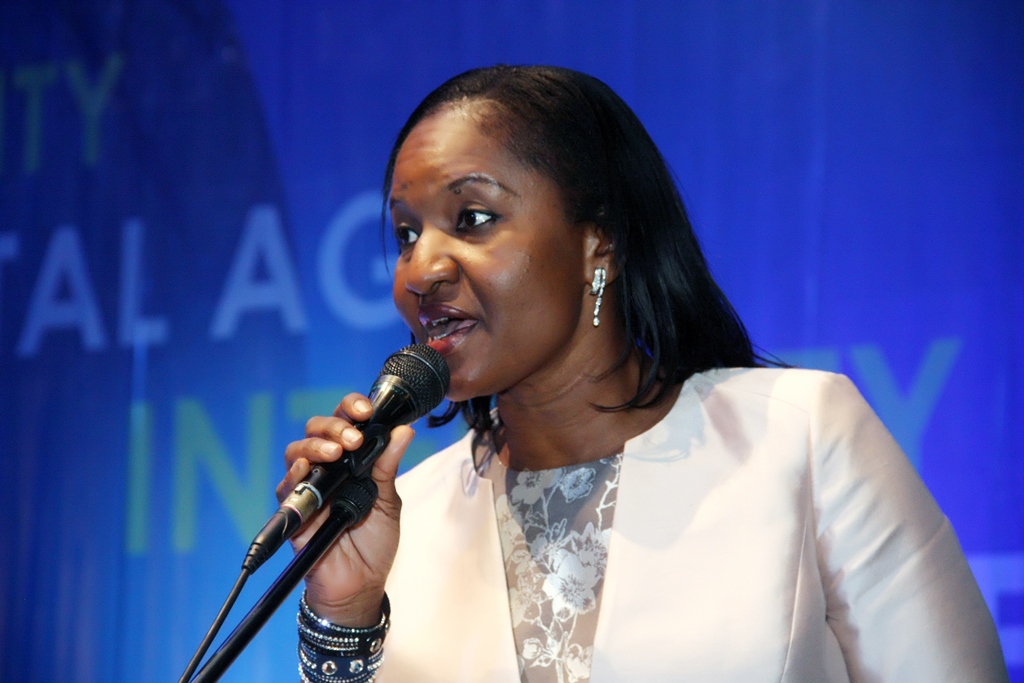
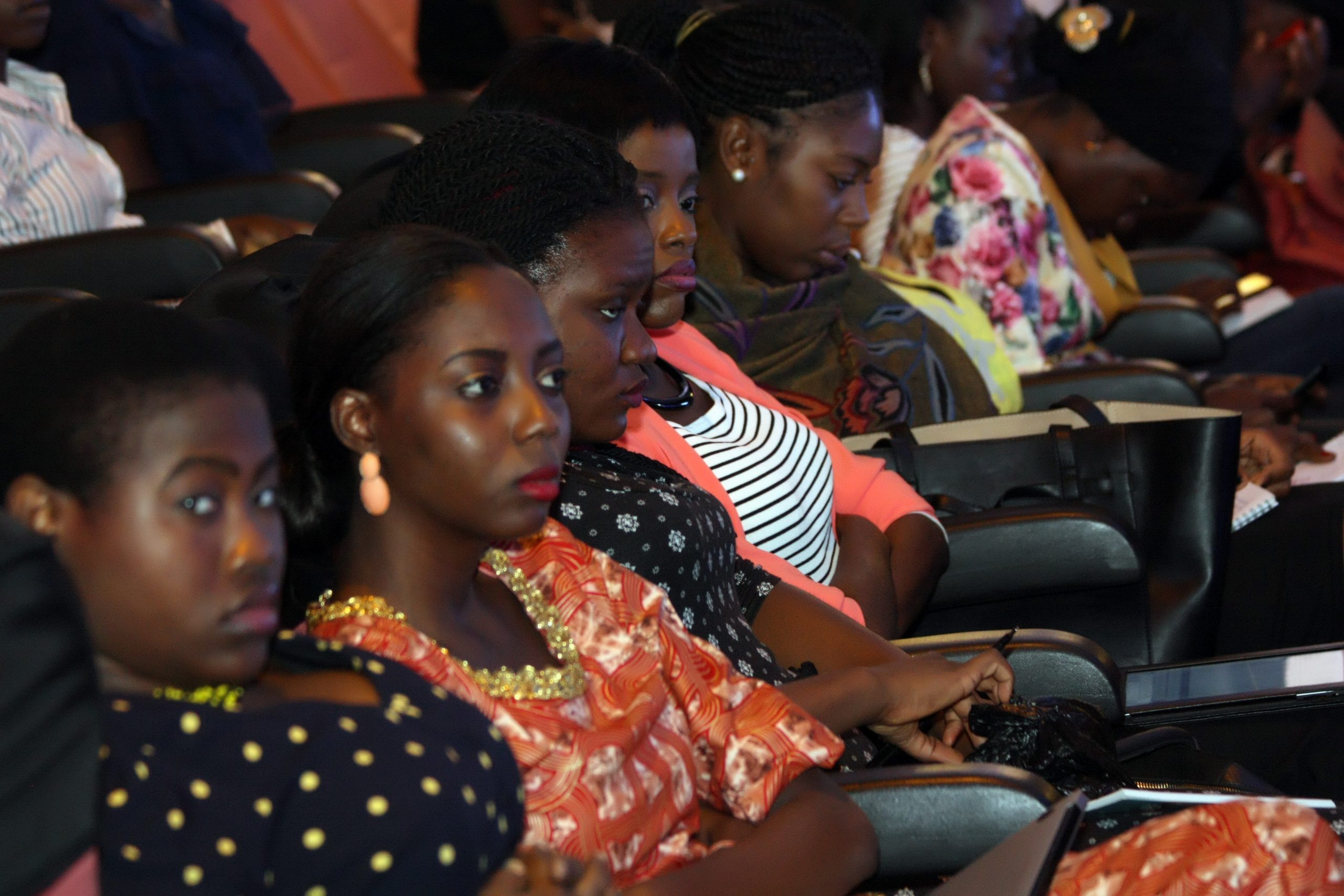
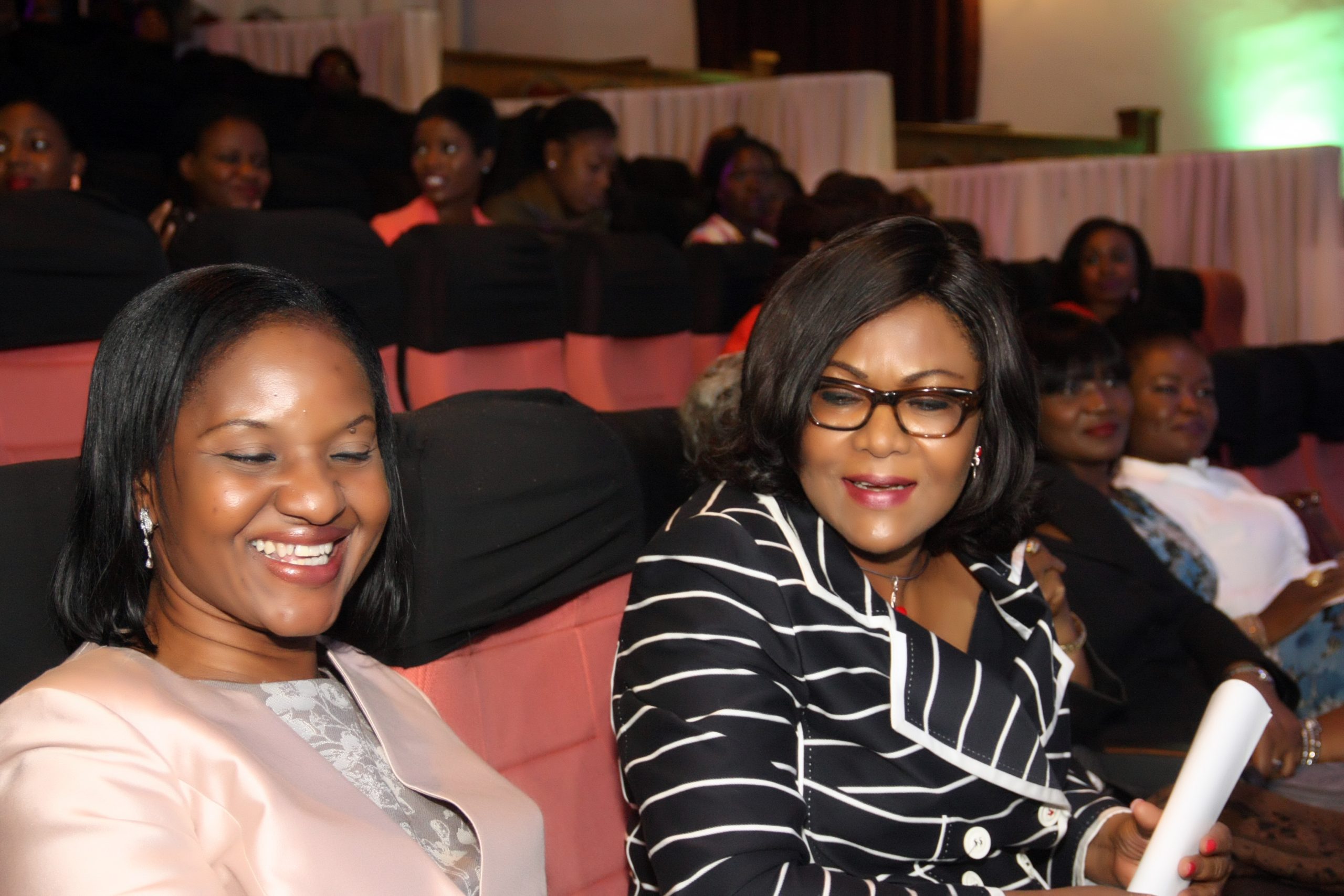
Now in its 12th year, WIJAFRICA continues to bring together some of Nigeria’s most influential women journalists and media leaders for a focused gathering celebrating excellence and advancing the profession. A key highlight of the platform is the annual recognition of the 25 Most Powerful Women Journalists in Nigeria, an honour that has over time, become one of the most anticipated moments in the WIJAFRICA calendar.
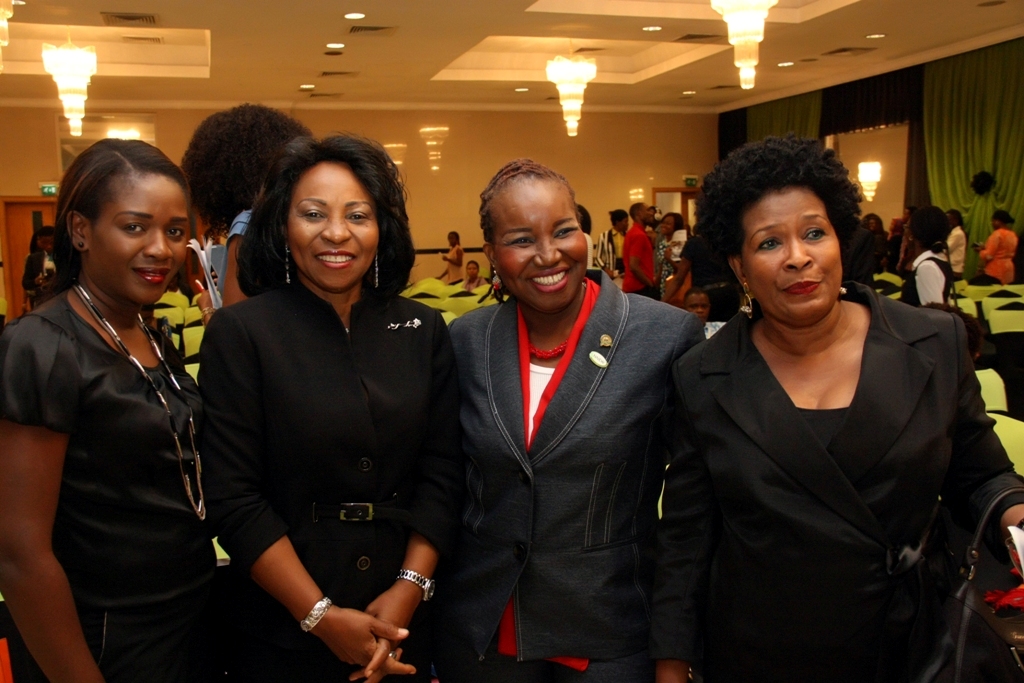
WIJAFRICA was founded in 2014 in Lagos as a response to the need to recognise and support women who are doing the hard, often unseen work of journalism. Holding power to account, shaping national conversations, and reporting stories that might otherwise be ignored is what women do as good as, and often better than men. Beyond recognition, it has grown into a community that encourages professionalism, mentorship, and leadership within the media.
WIJAFRICA
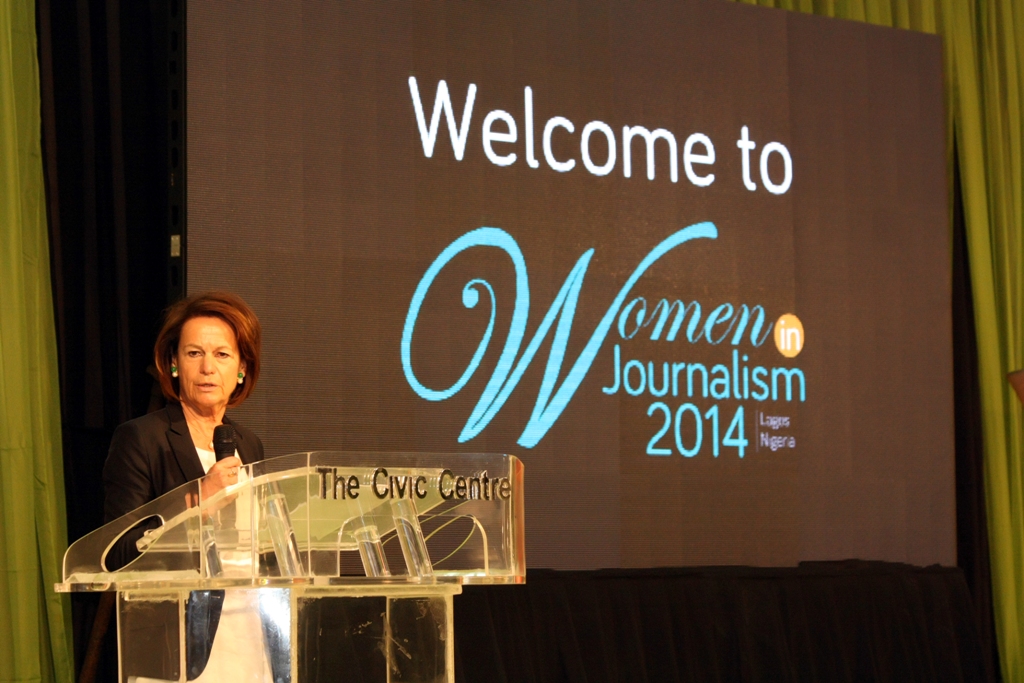
The inaugural conference, held at the Civic Centre, Lagos, featured a keynote address by Monique Villa, then CEO of the Thomson Reuters Foundation. From the outset, WIJAFRICA set out to combine local relevance with global perspective. Over the years, the platform has hosted respected voices from across the world, including Professor Anthea Garman of Rhodes University, South Africa, and war correspondent Anna Cunningham, among others. In 2015 global affairs journalist Christiane Amanpour, through CNN Europe, shared a statement of support for the conference.
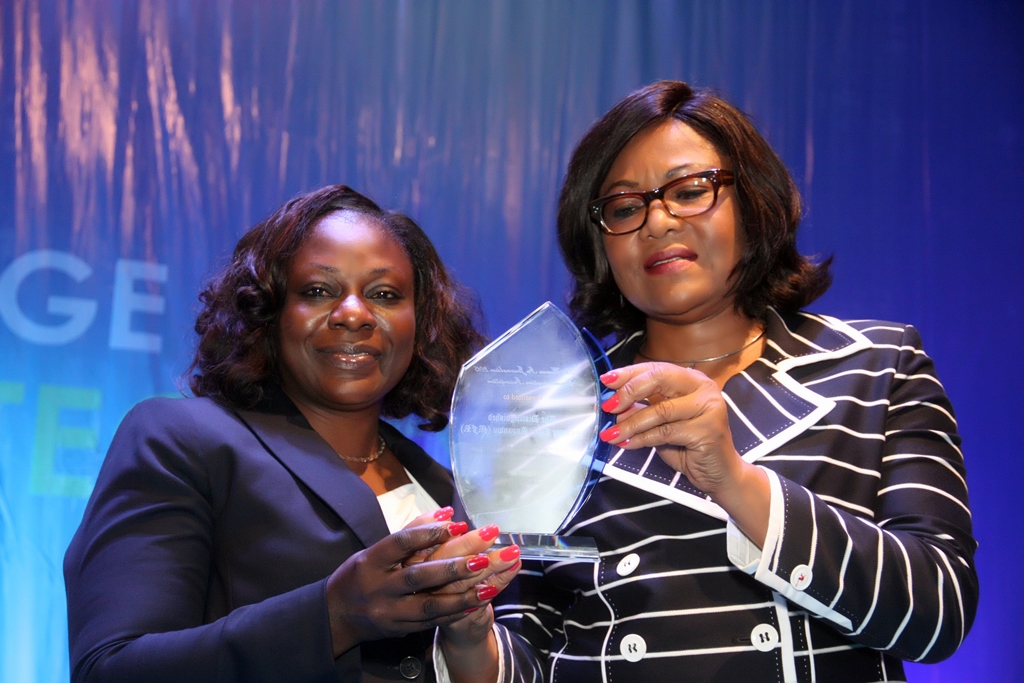
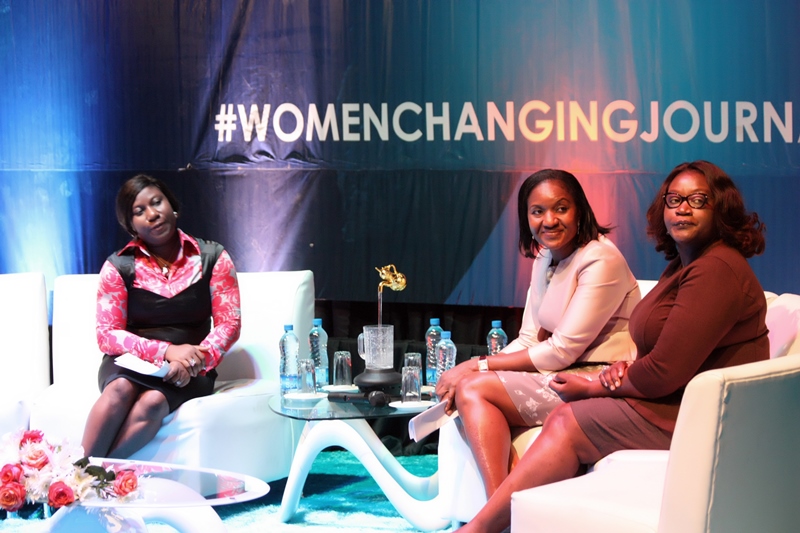
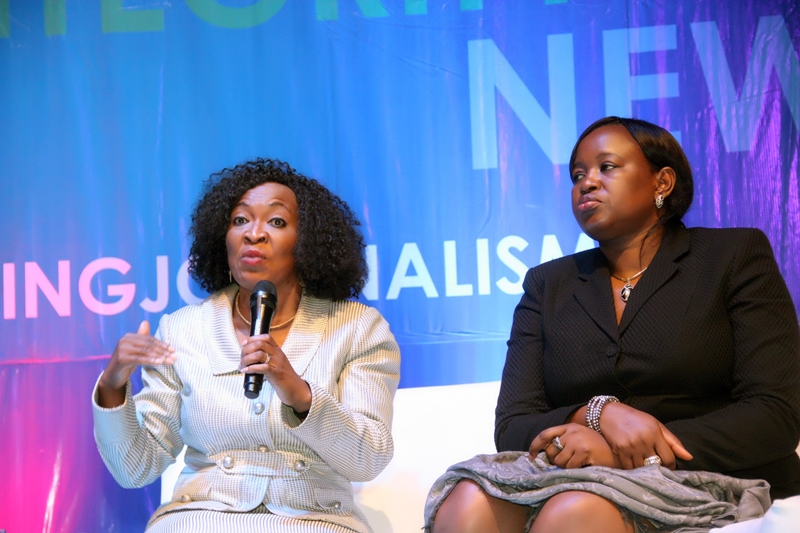
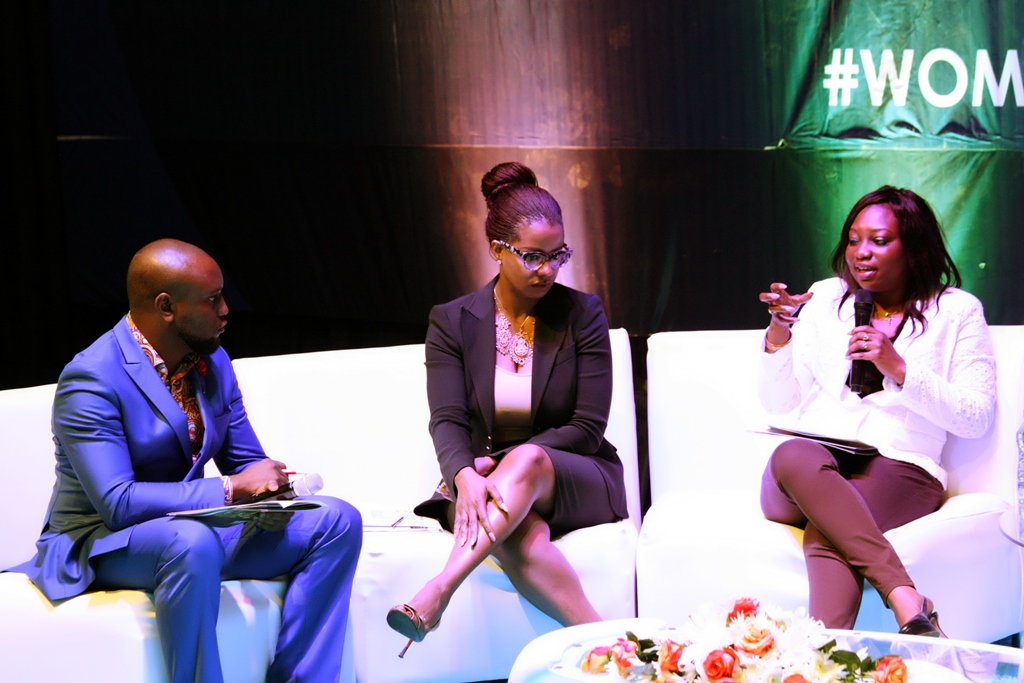
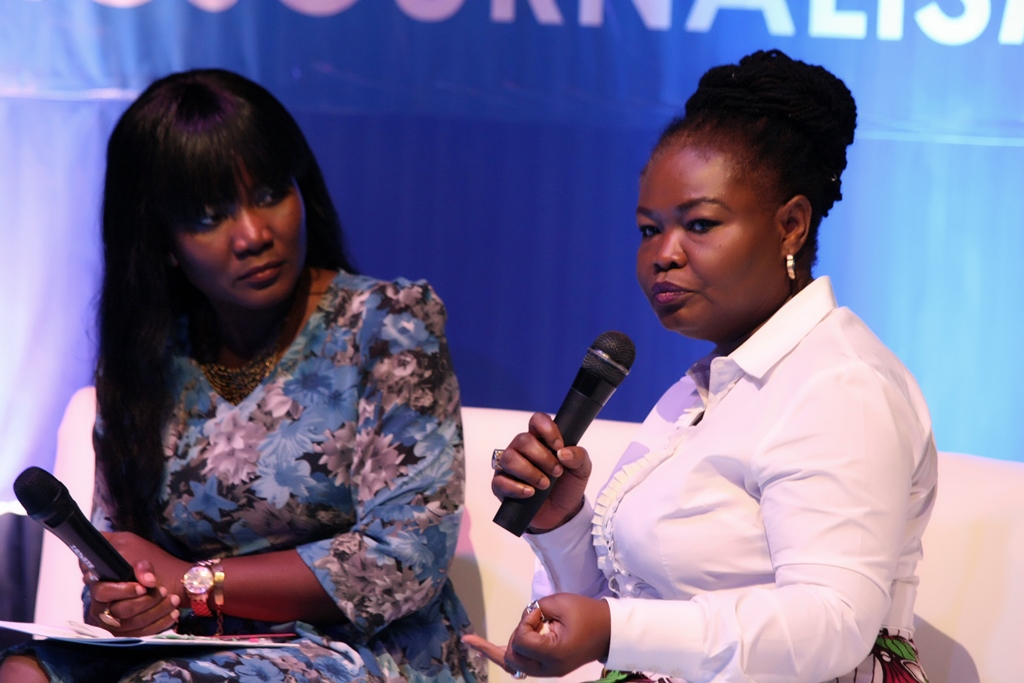
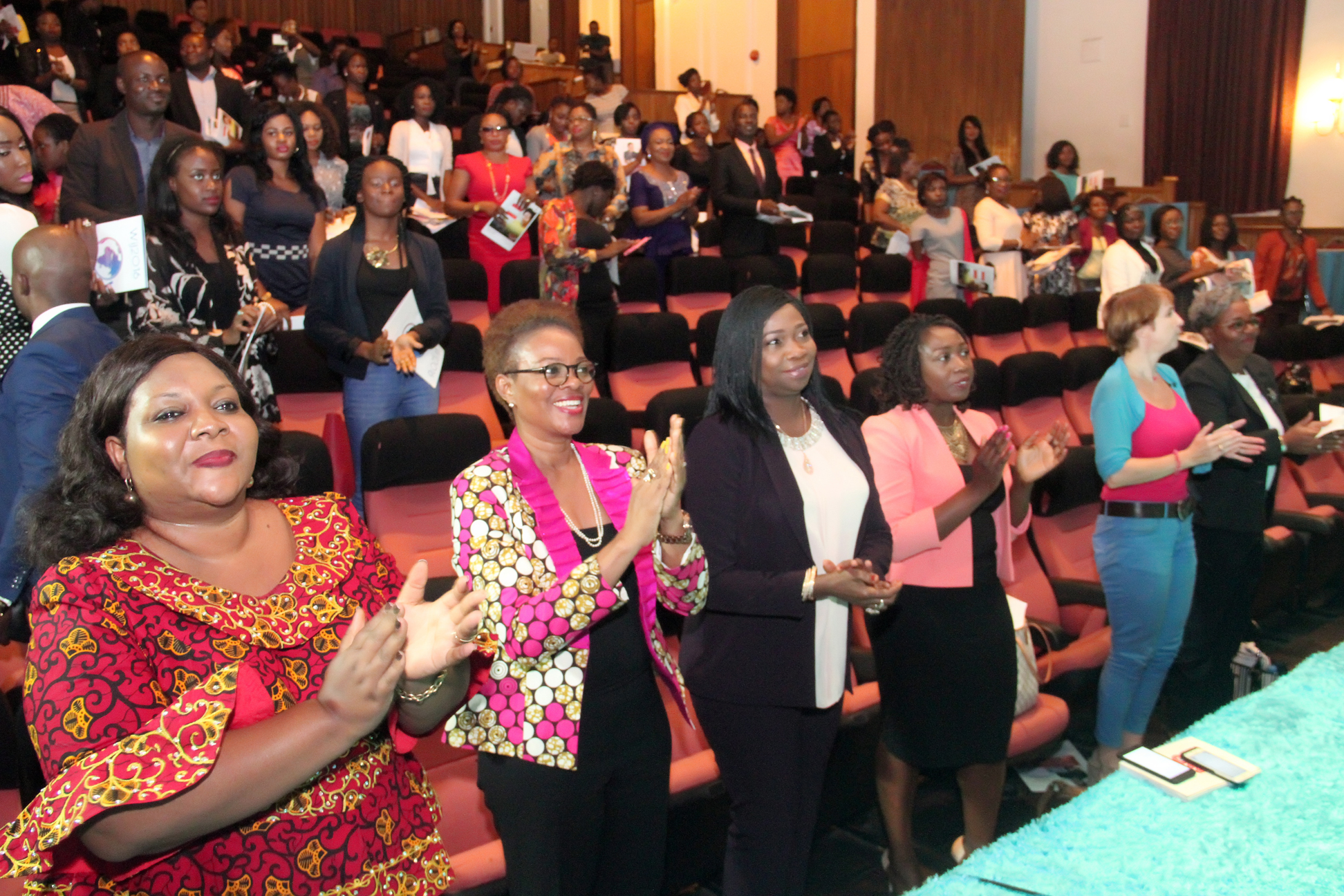
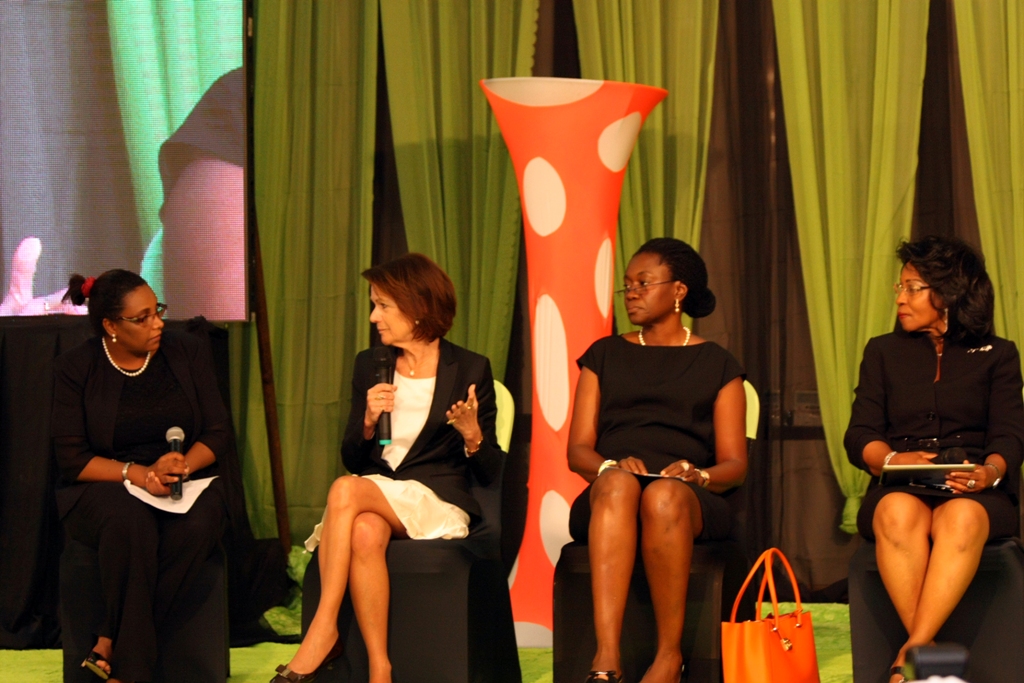
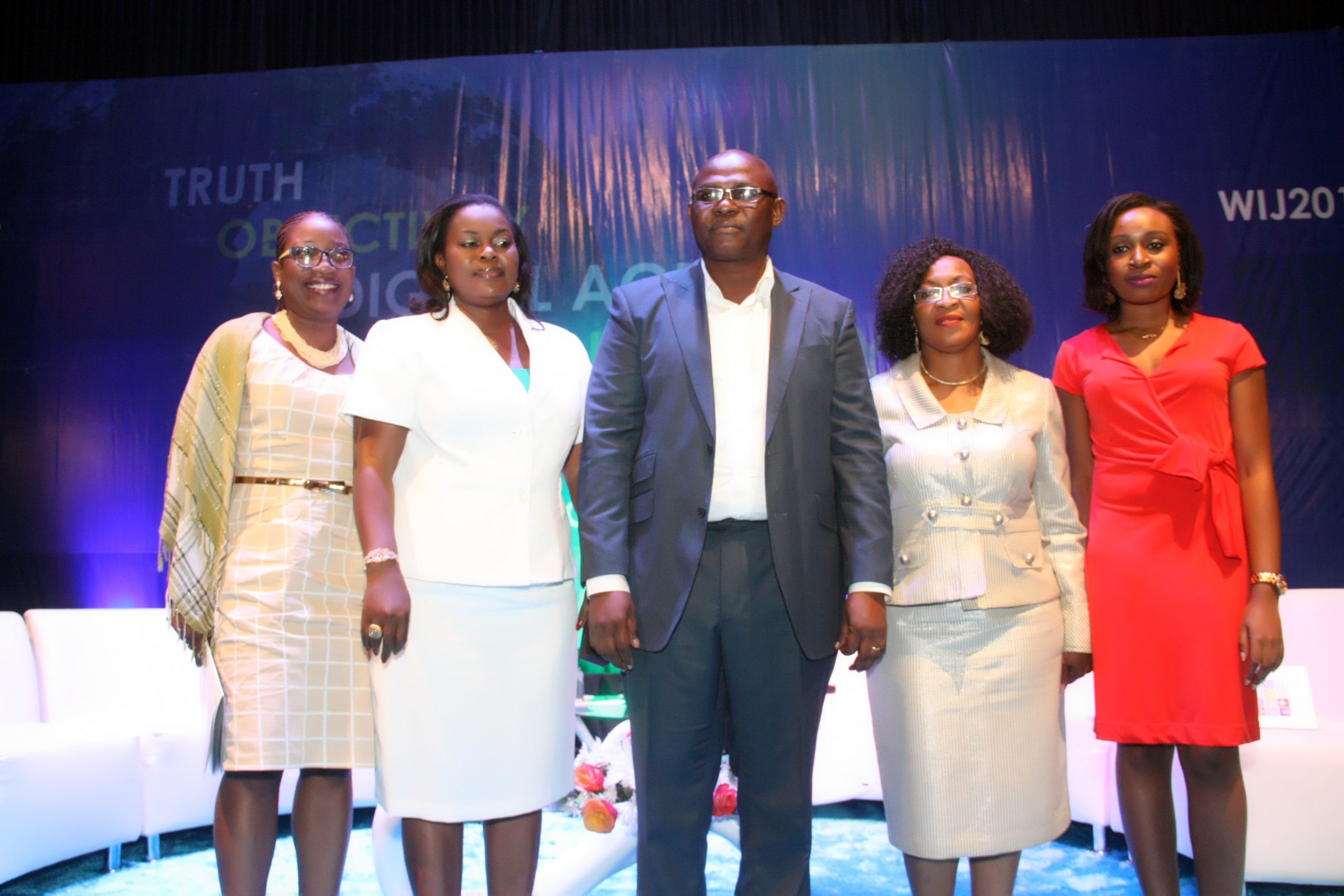
WIJAFRICA 2019.
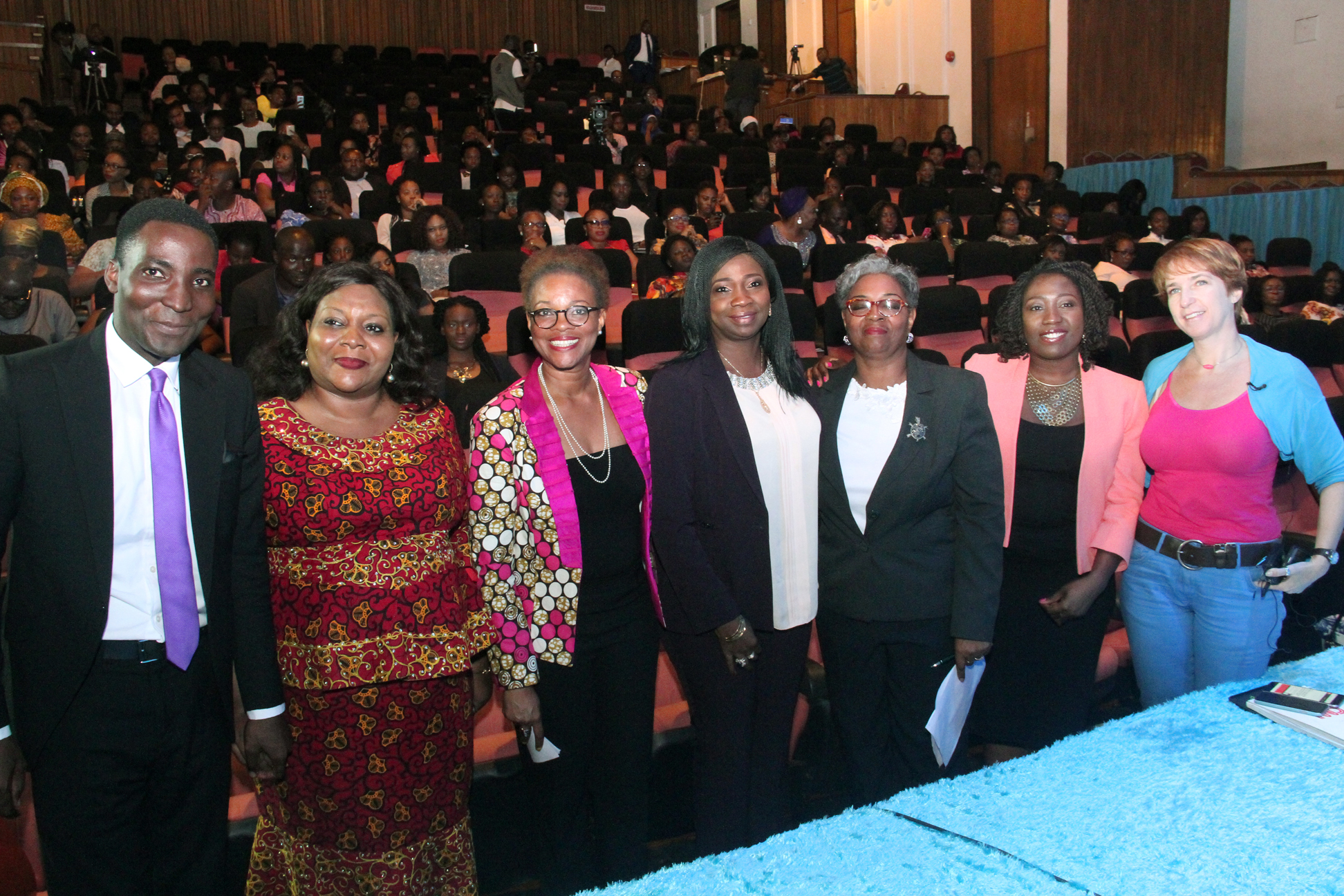
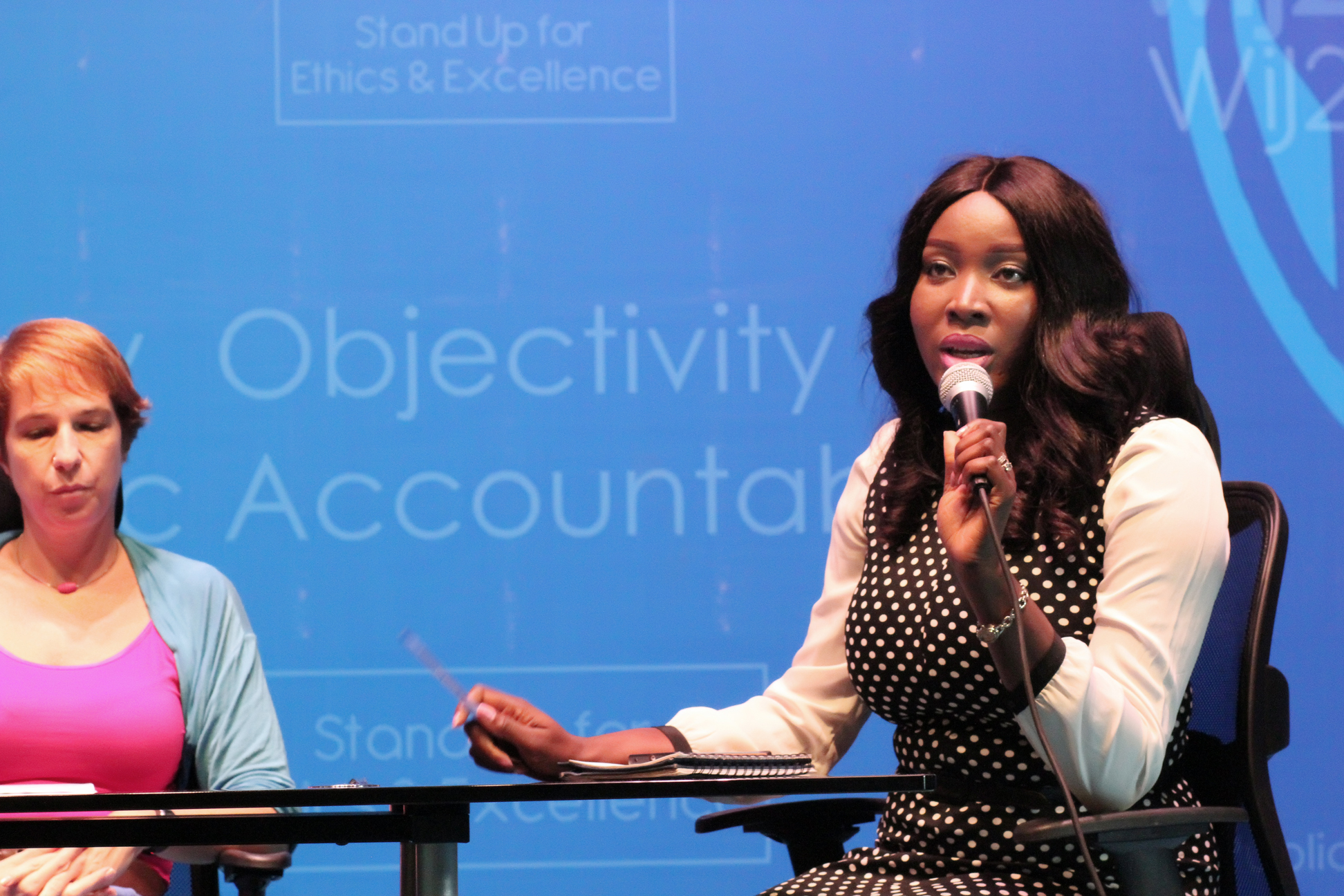
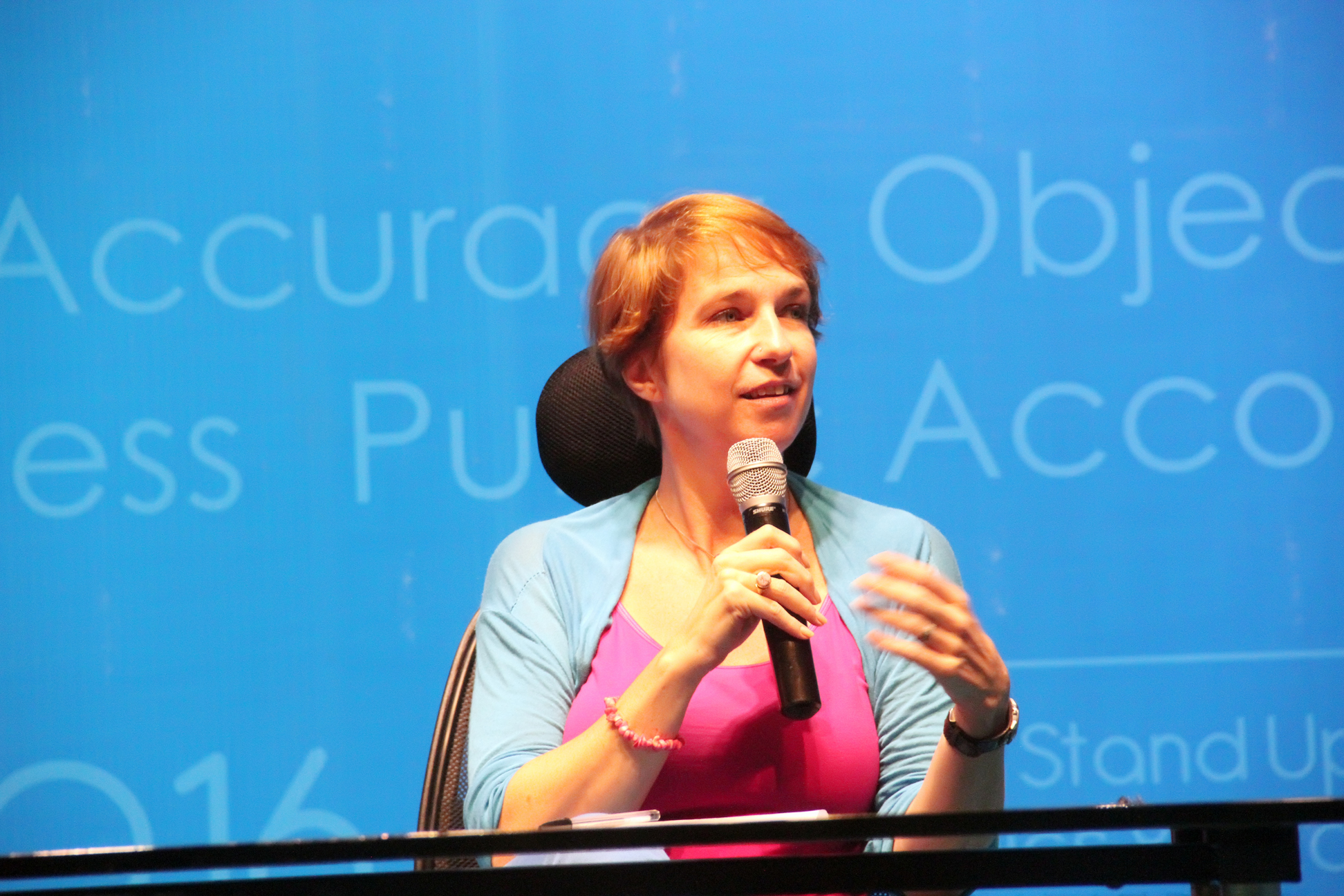
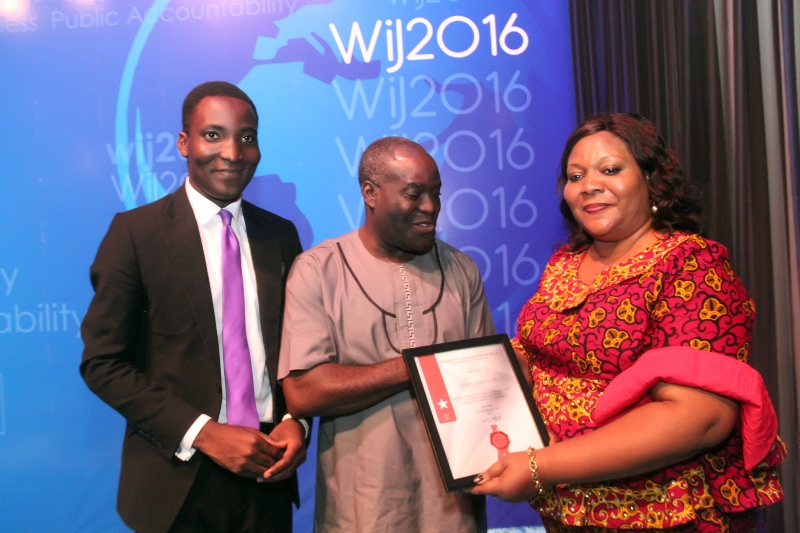
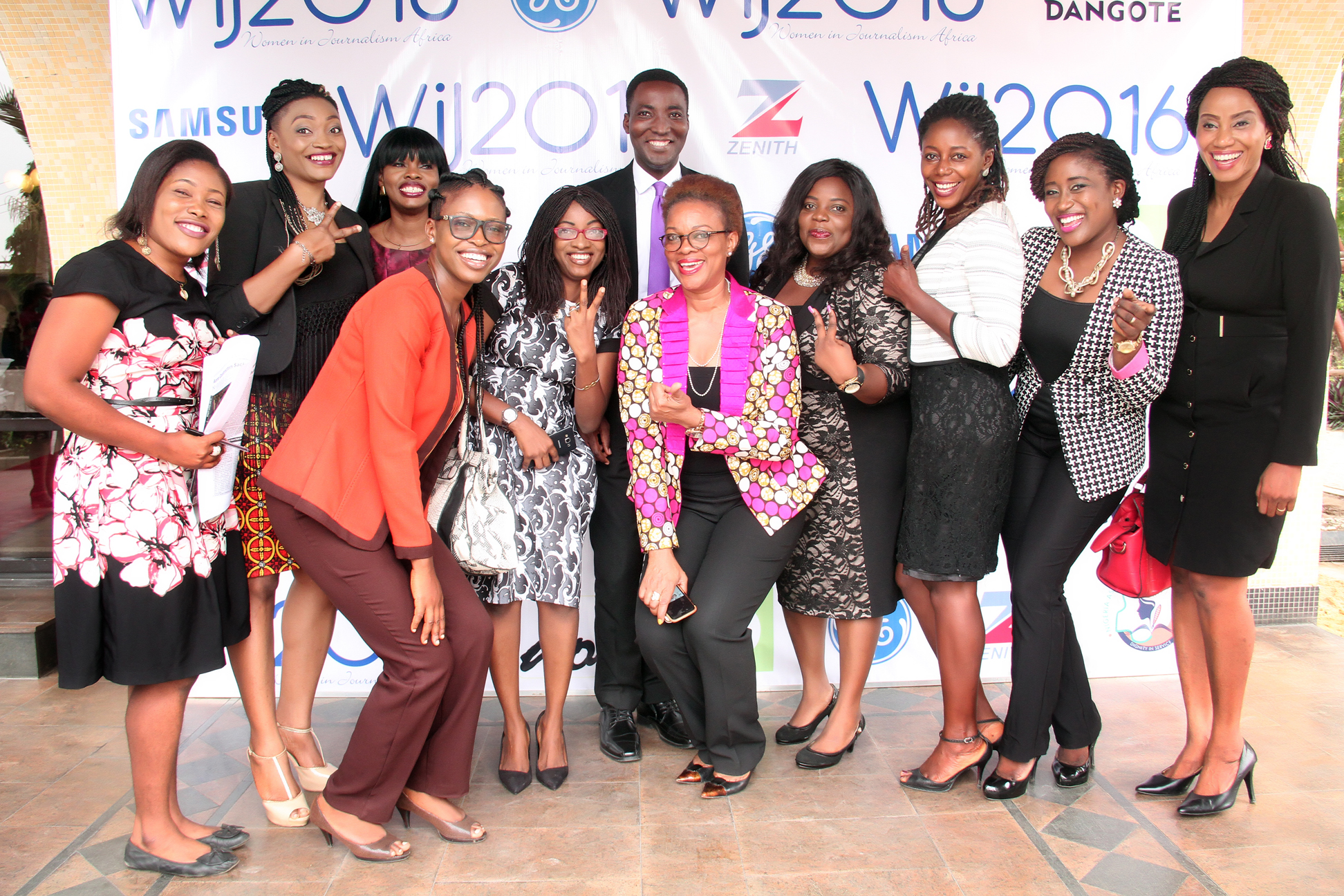
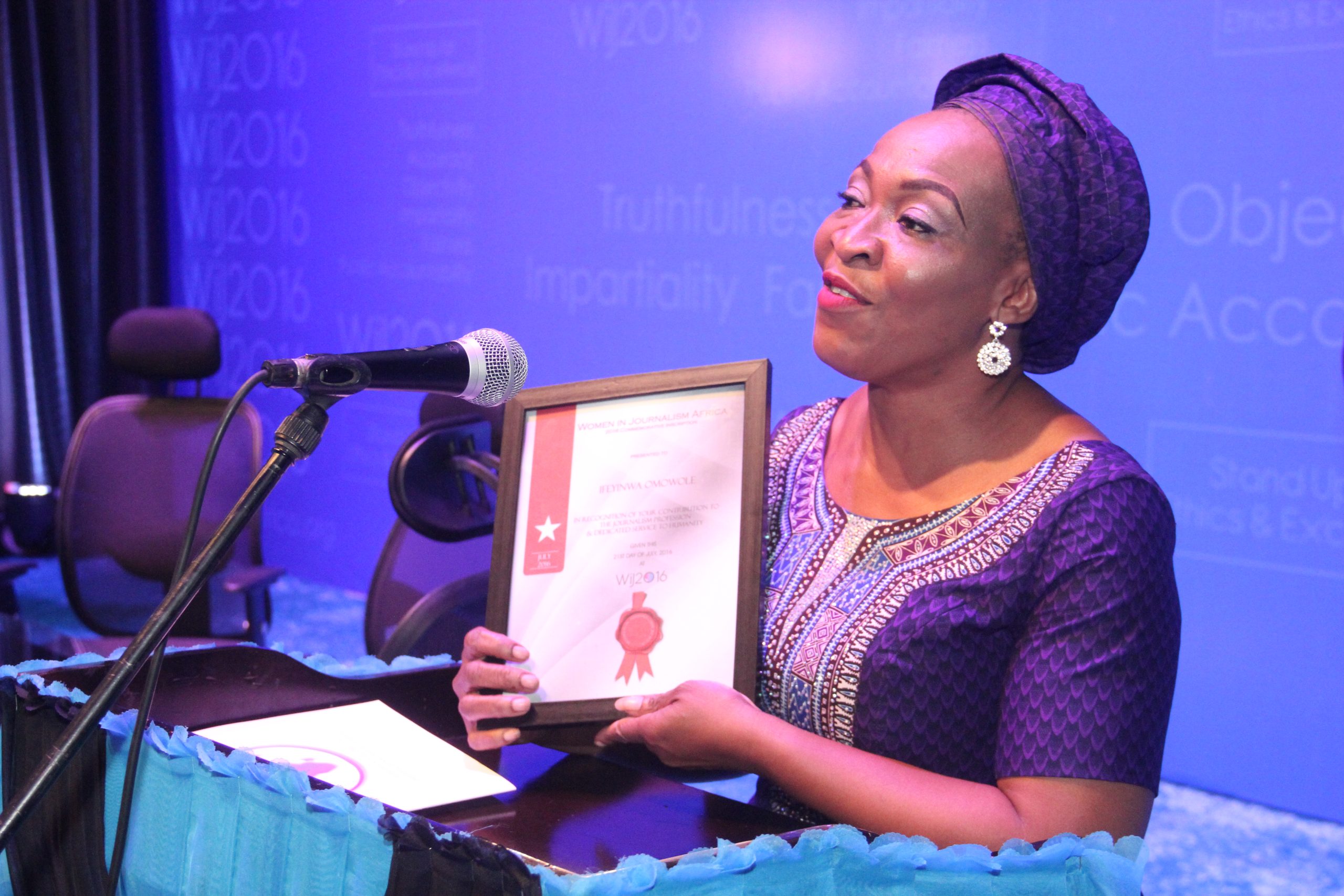
WIJAFRICA
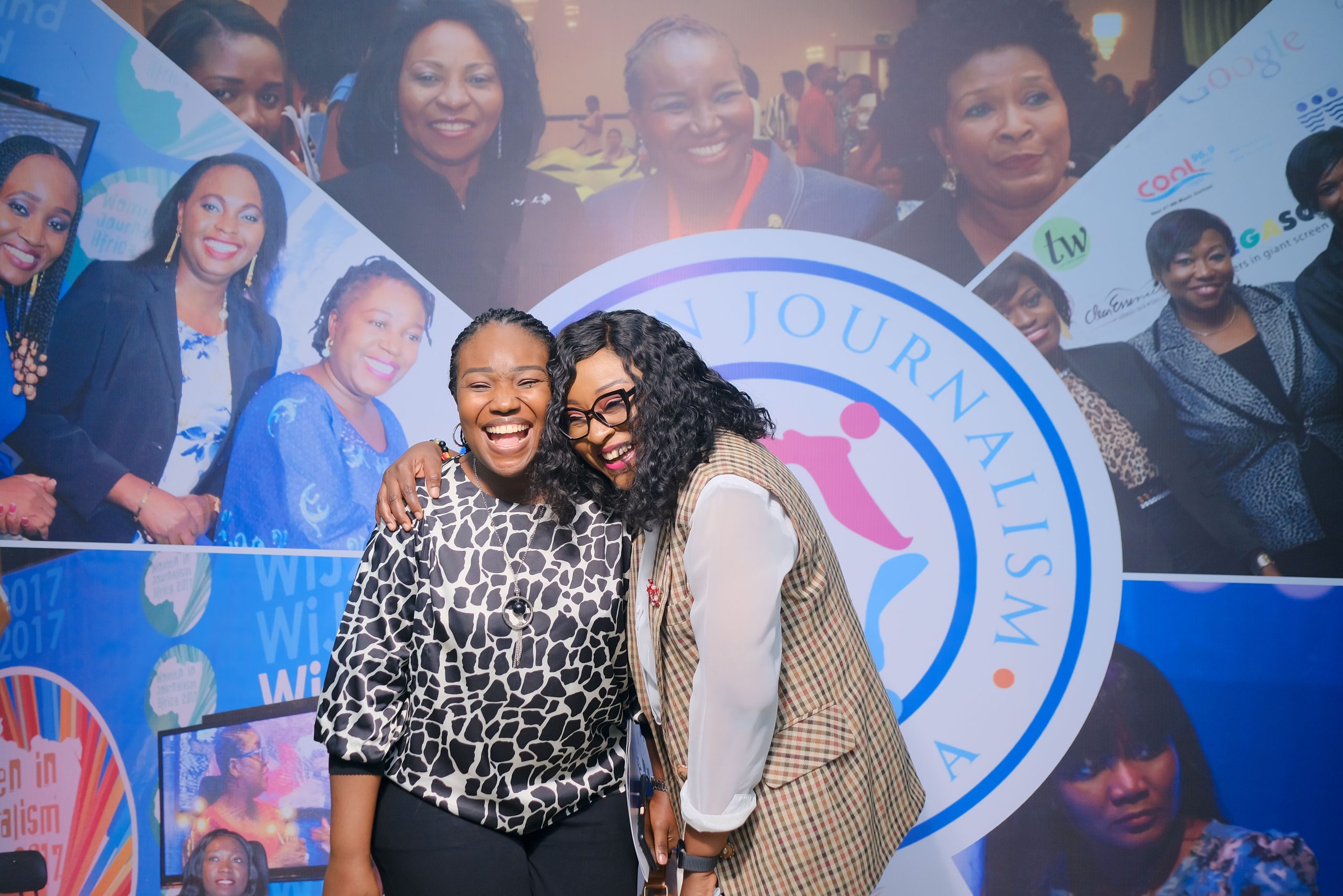
The first conference has evolved into a sustained network. Today, WIJAFRICA connects more than 1,000 women journalists across Nigeria and in the diaspora: reporters, editors, producers, broadcasters, and media executives working across print, broadcast, and digital platforms. The platform has also built relationships with global organisations such as Women in Journalism UK and the Coalition of Women in Journalism, strengthening collaboration and knowledge exchange across borders
Over the years, WIJAFRICA has expanded its impact beyond the annual summit, supporting training initiatives, partnerships, and opportunities that help women journalists grow and thrive at different stages of their careers.
Reach out to us:
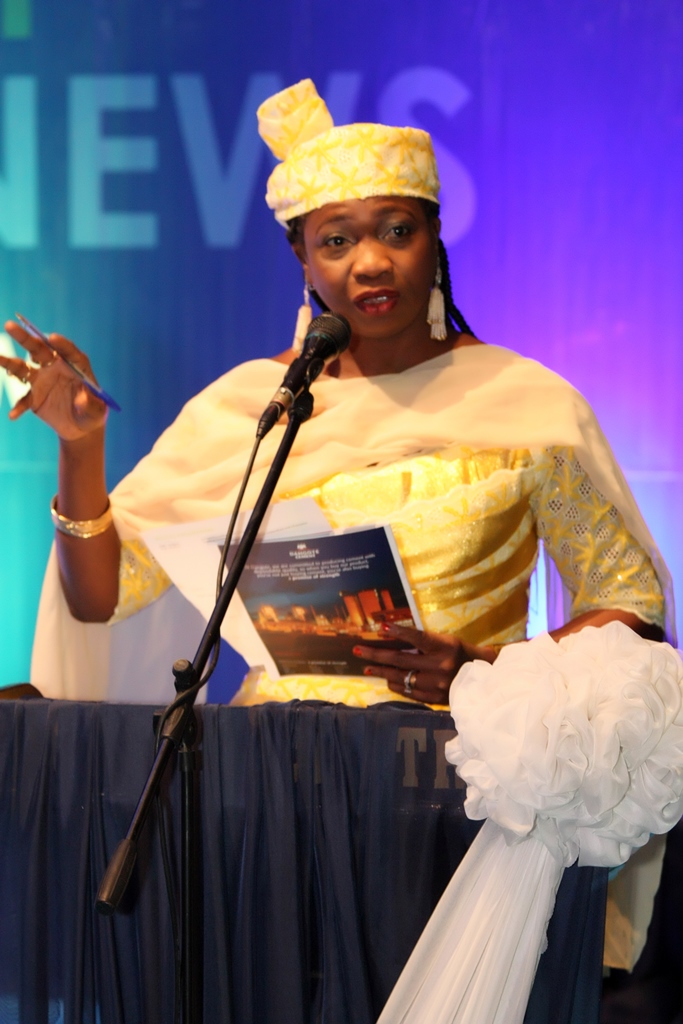
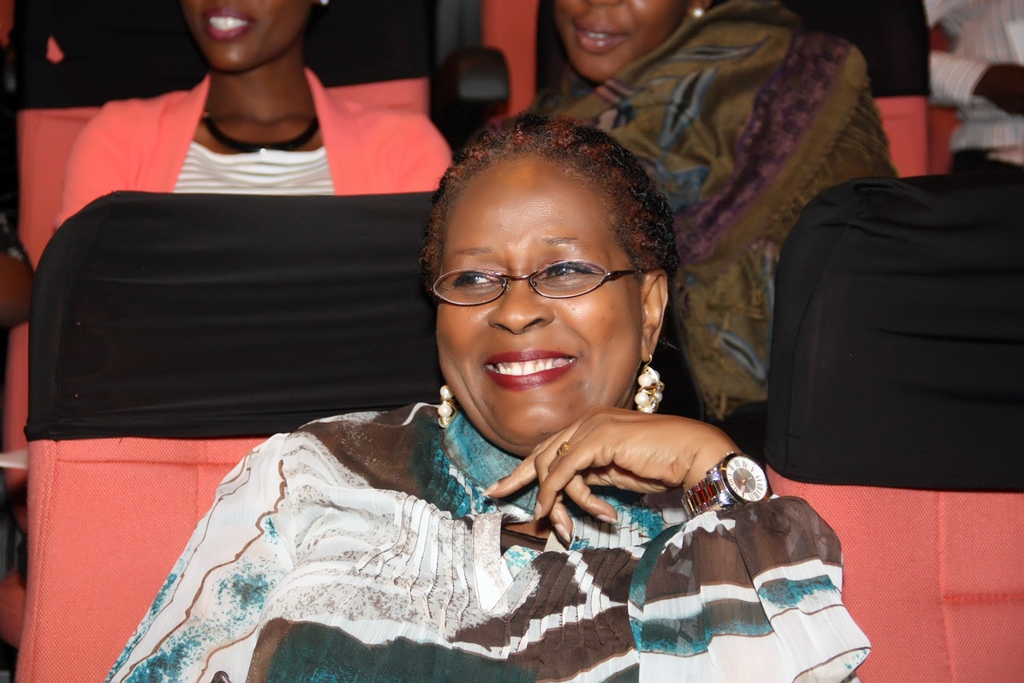
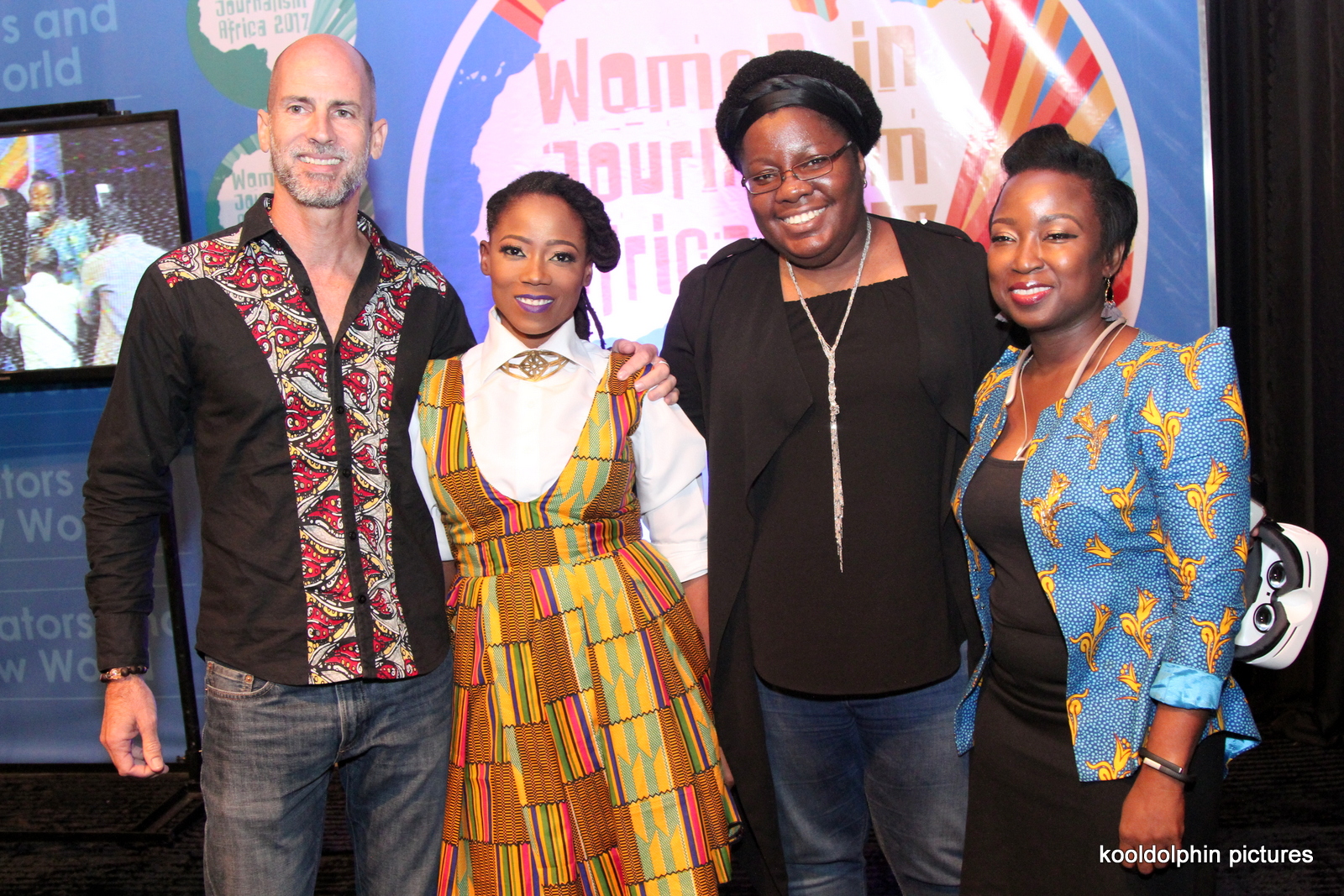
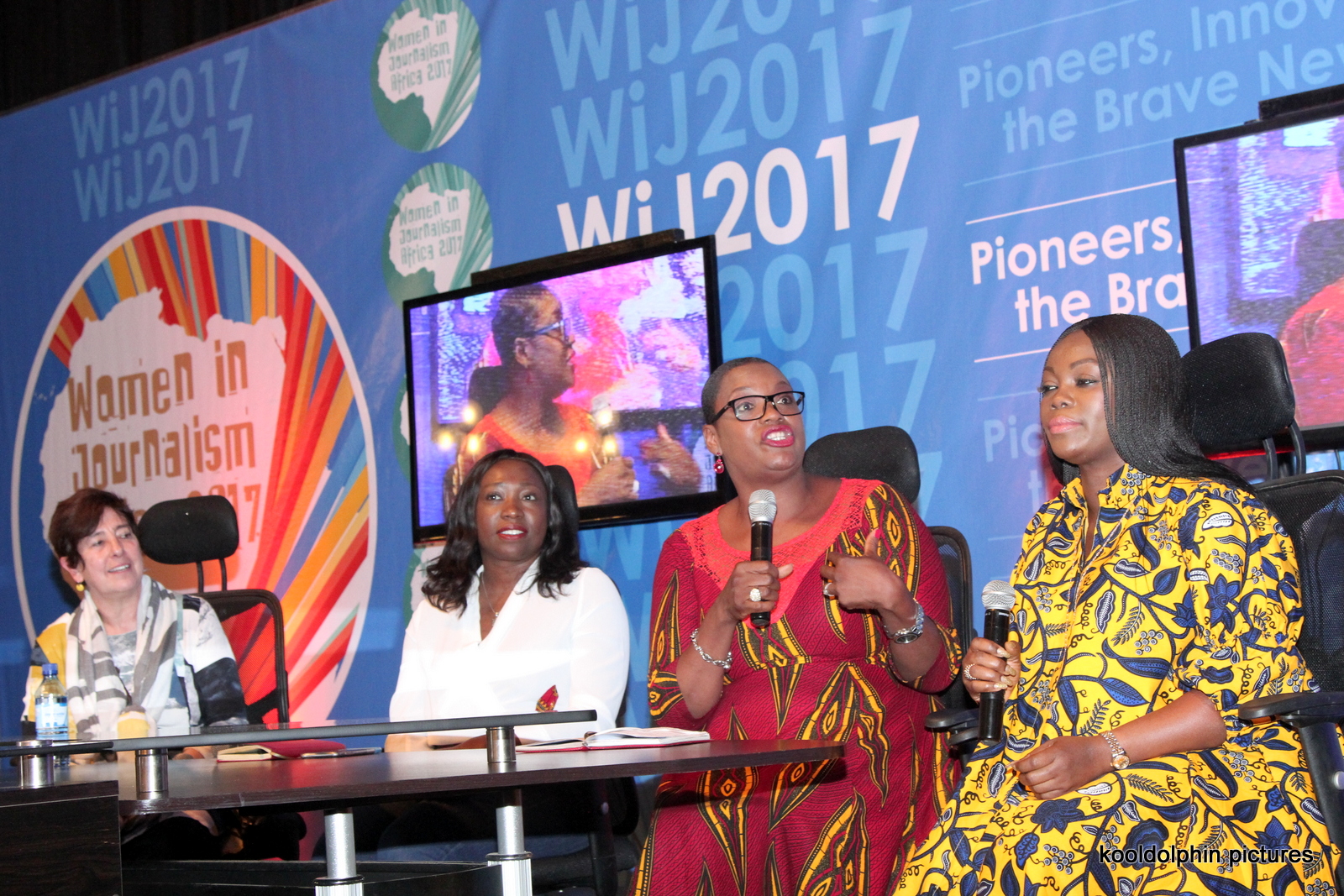
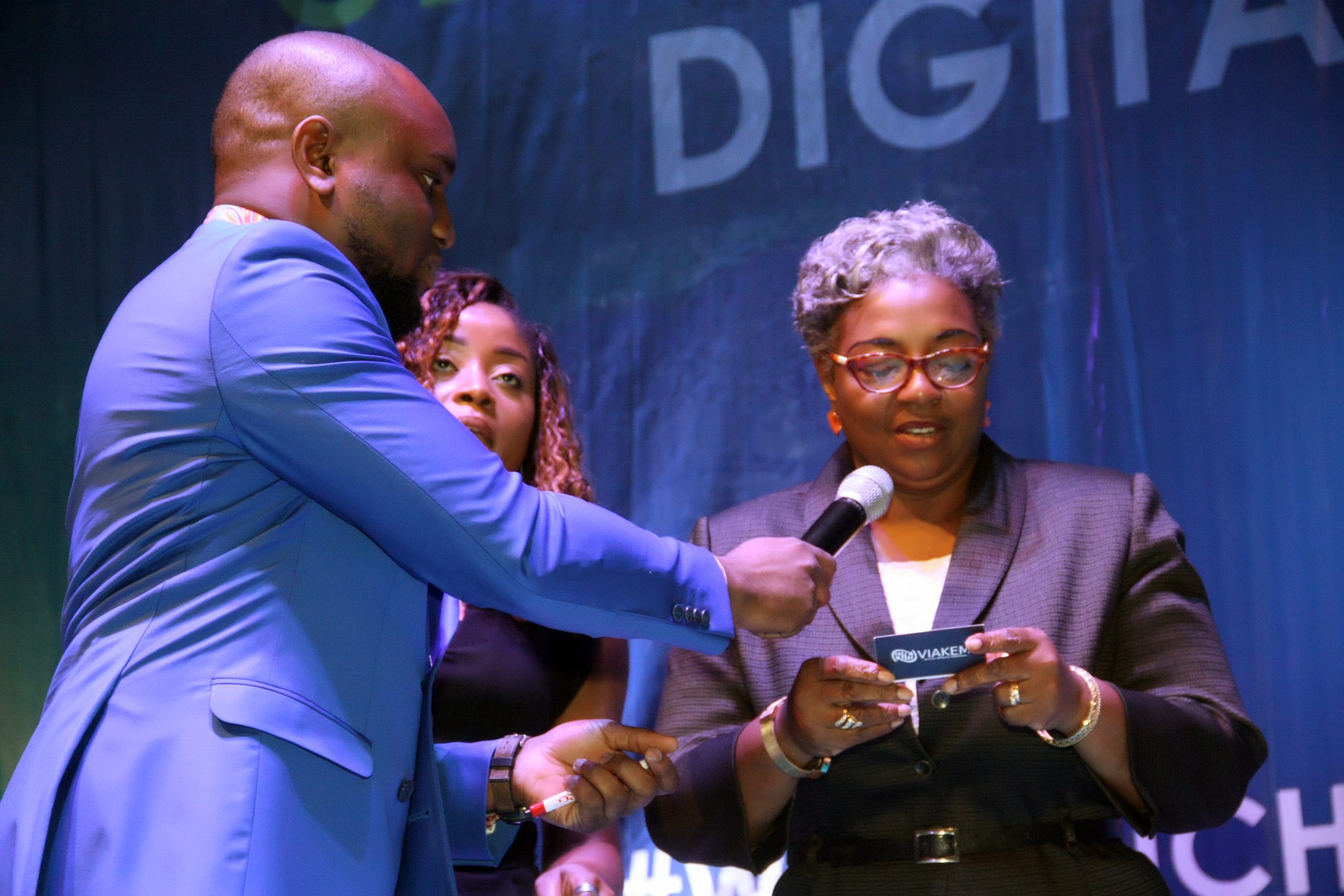
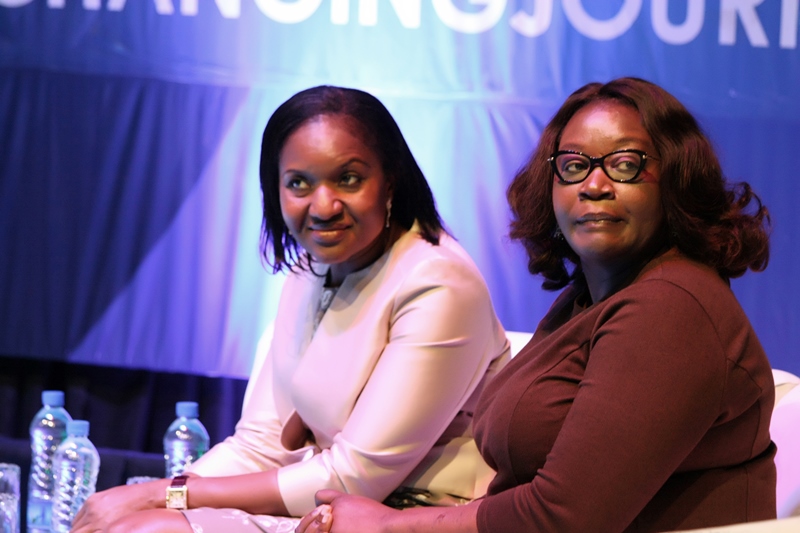
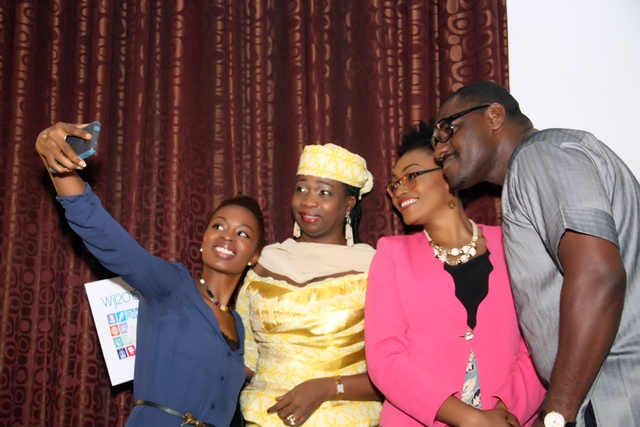
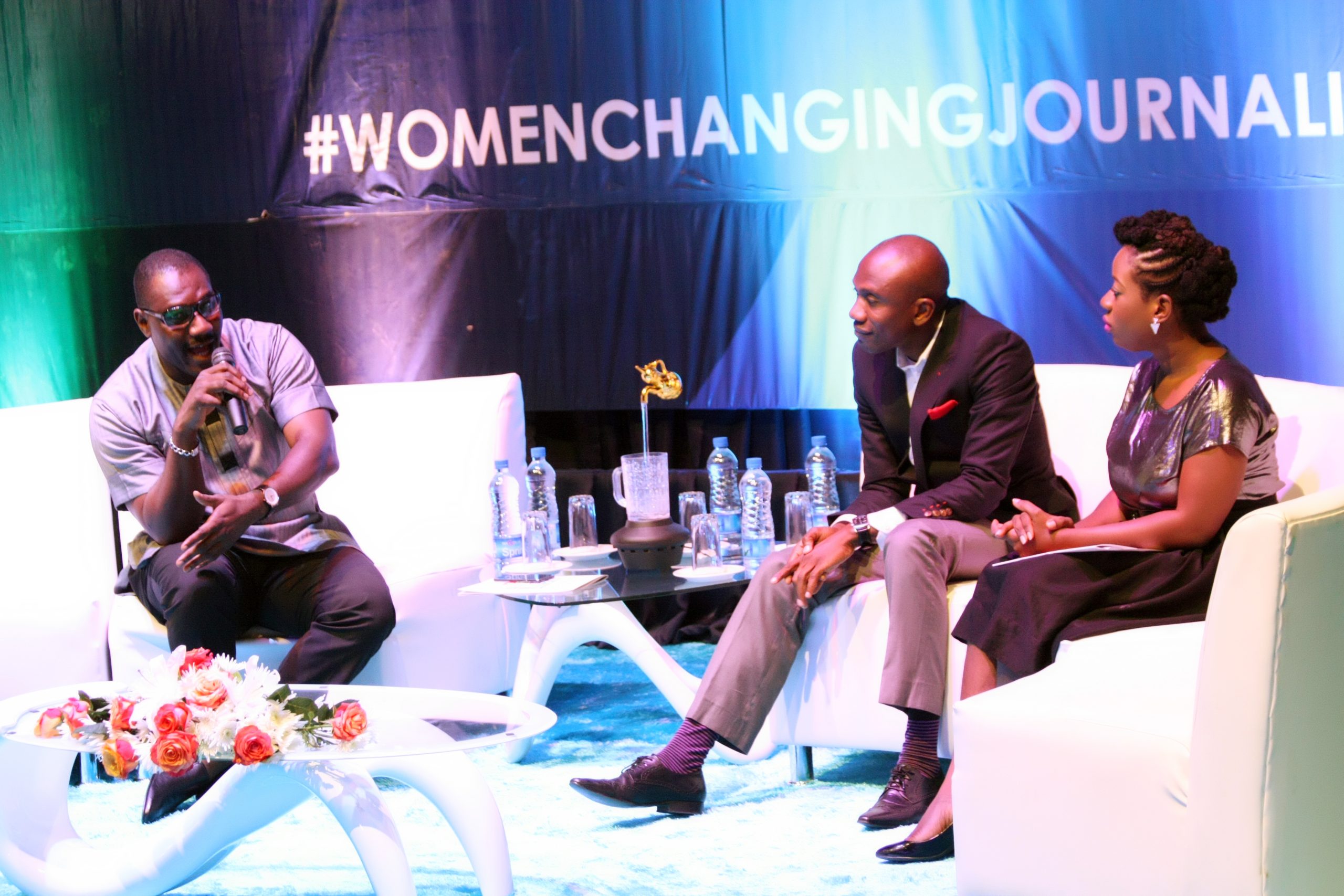
WIJAFRICA 2017.
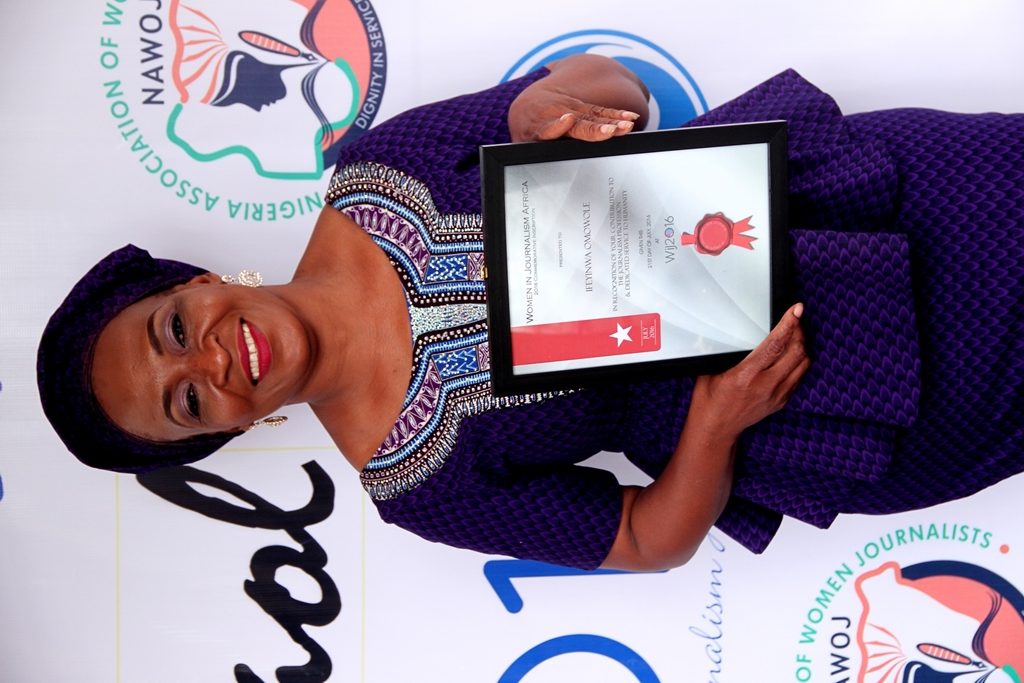
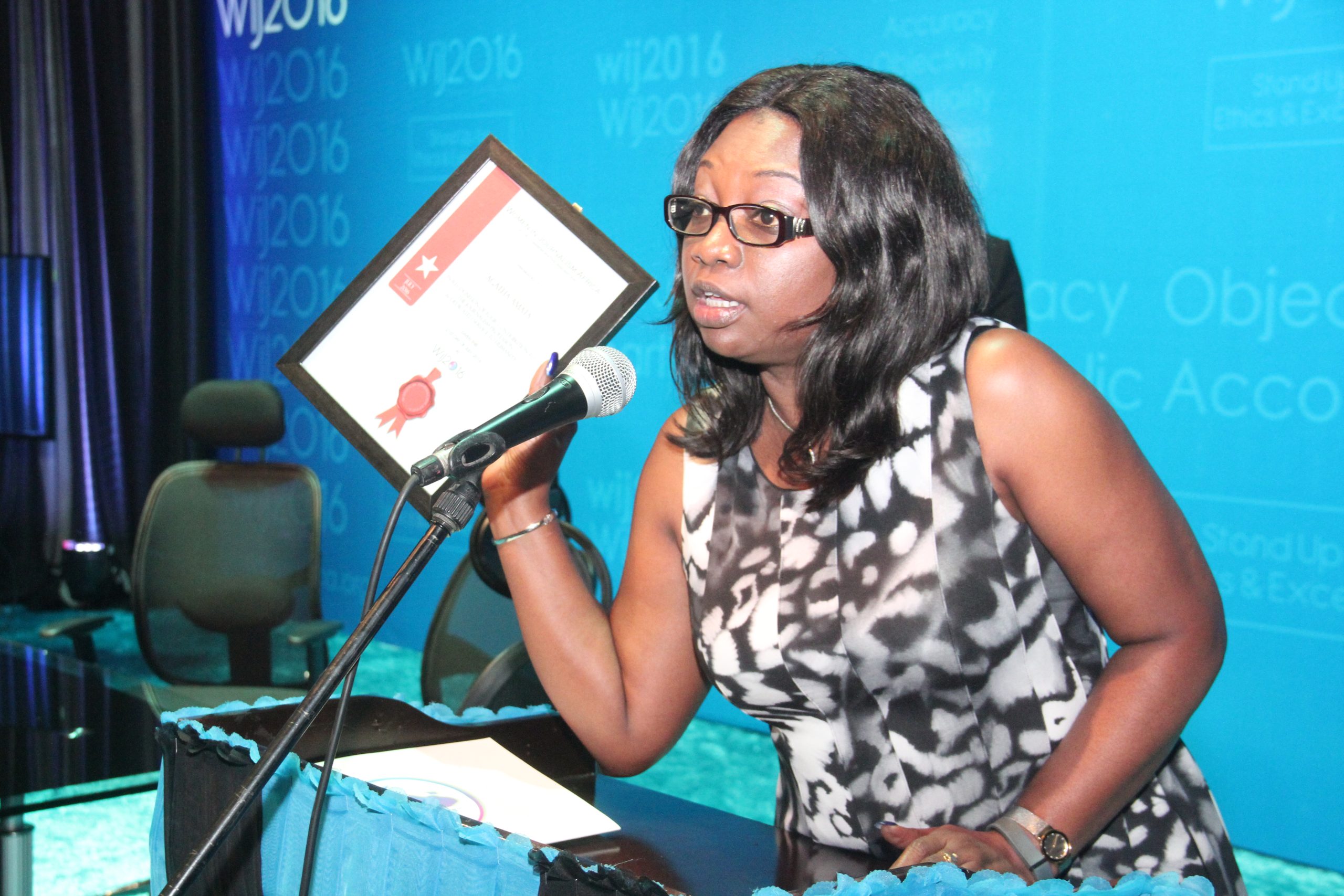
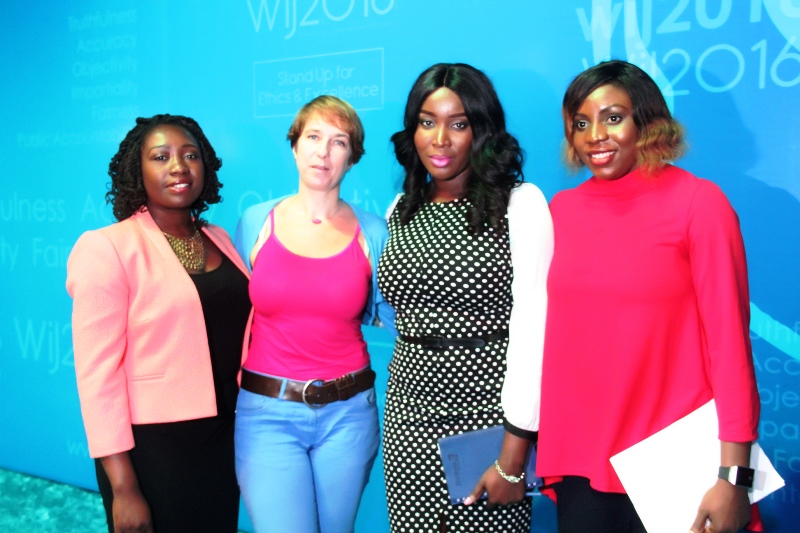
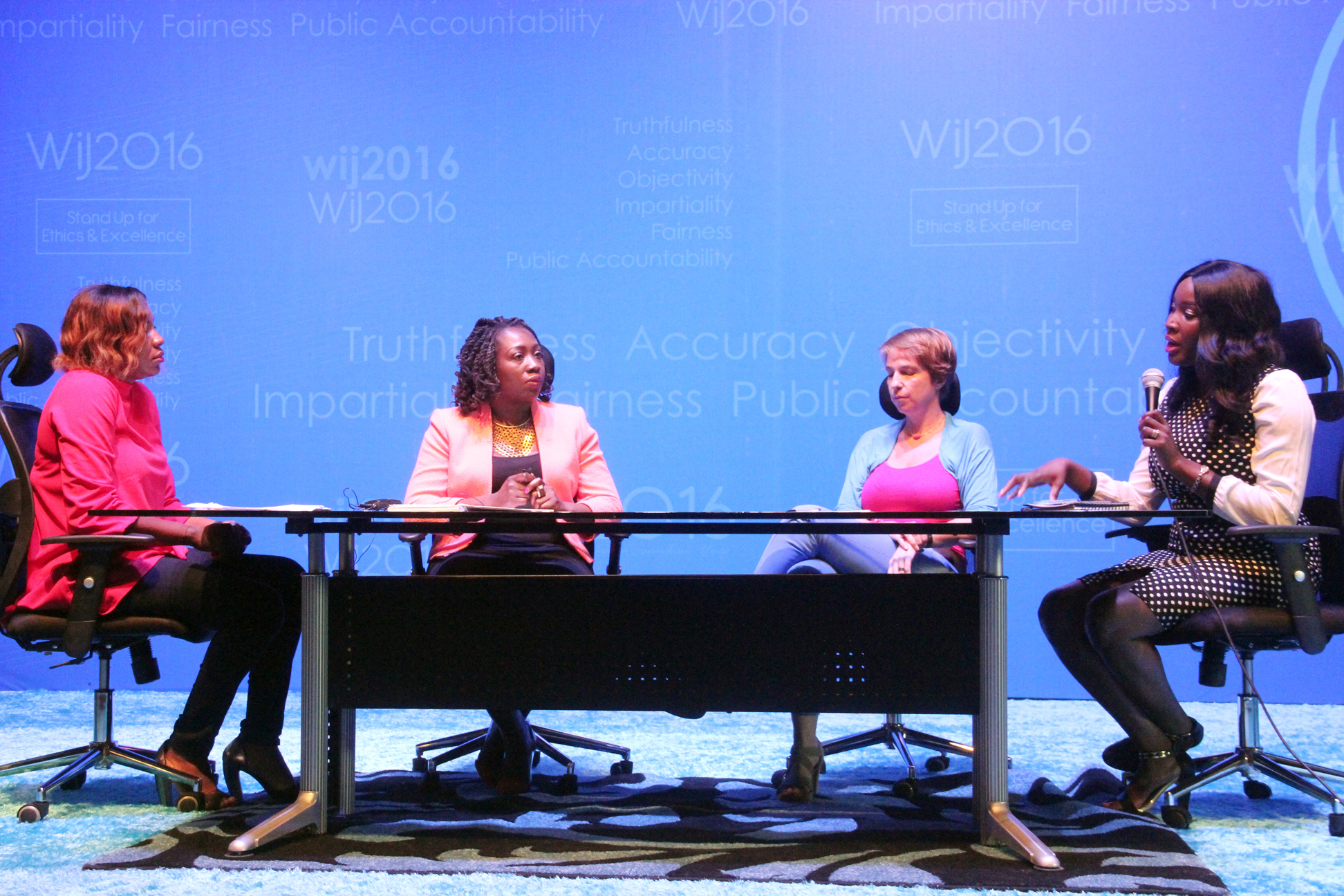
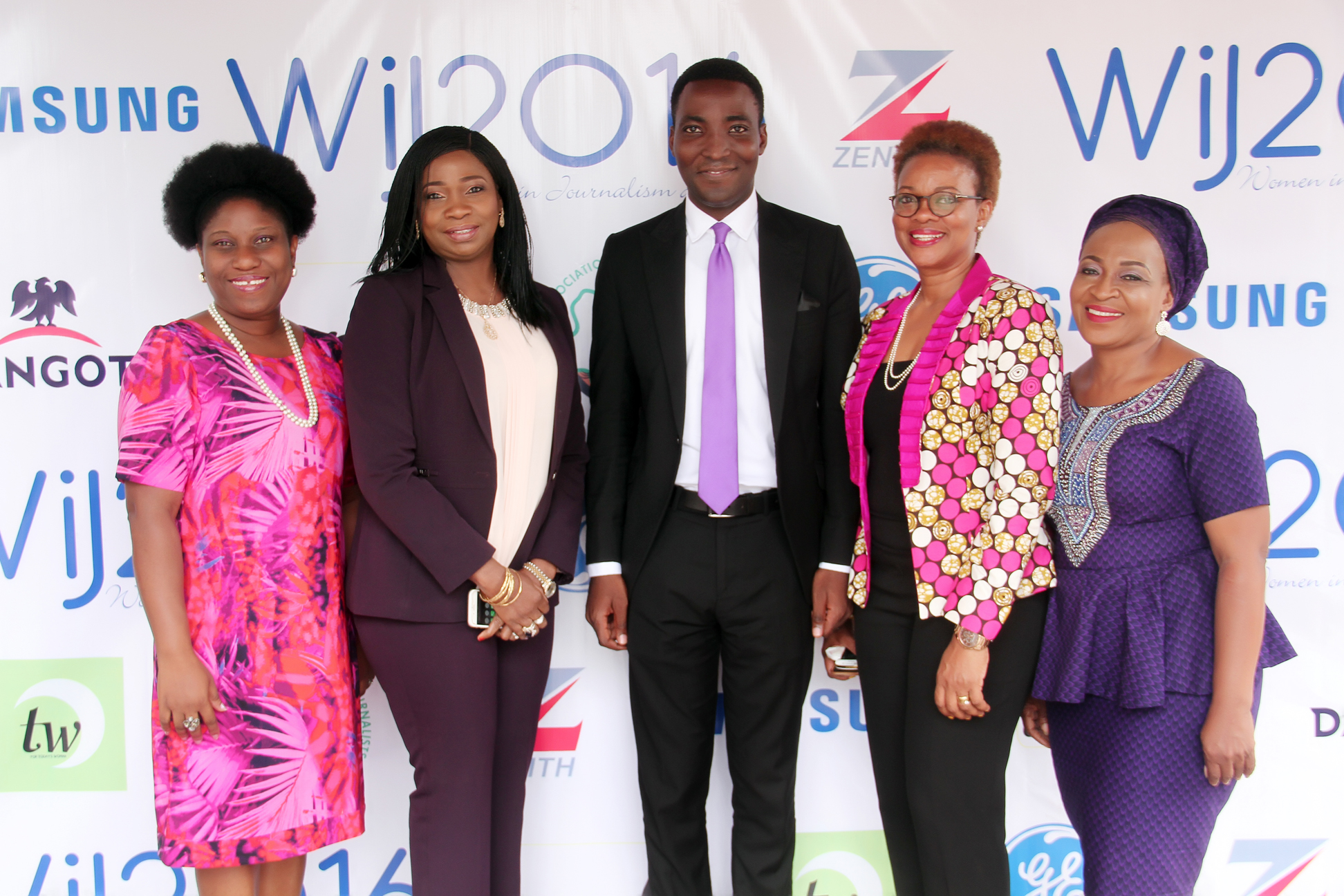
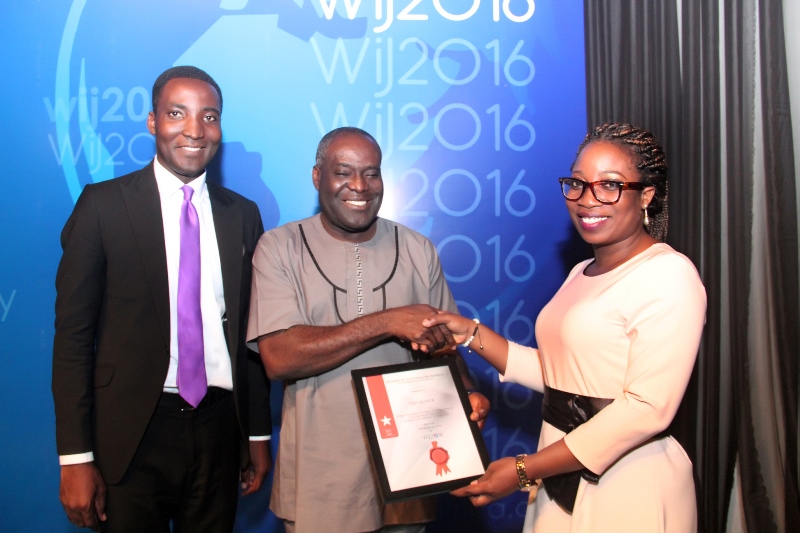
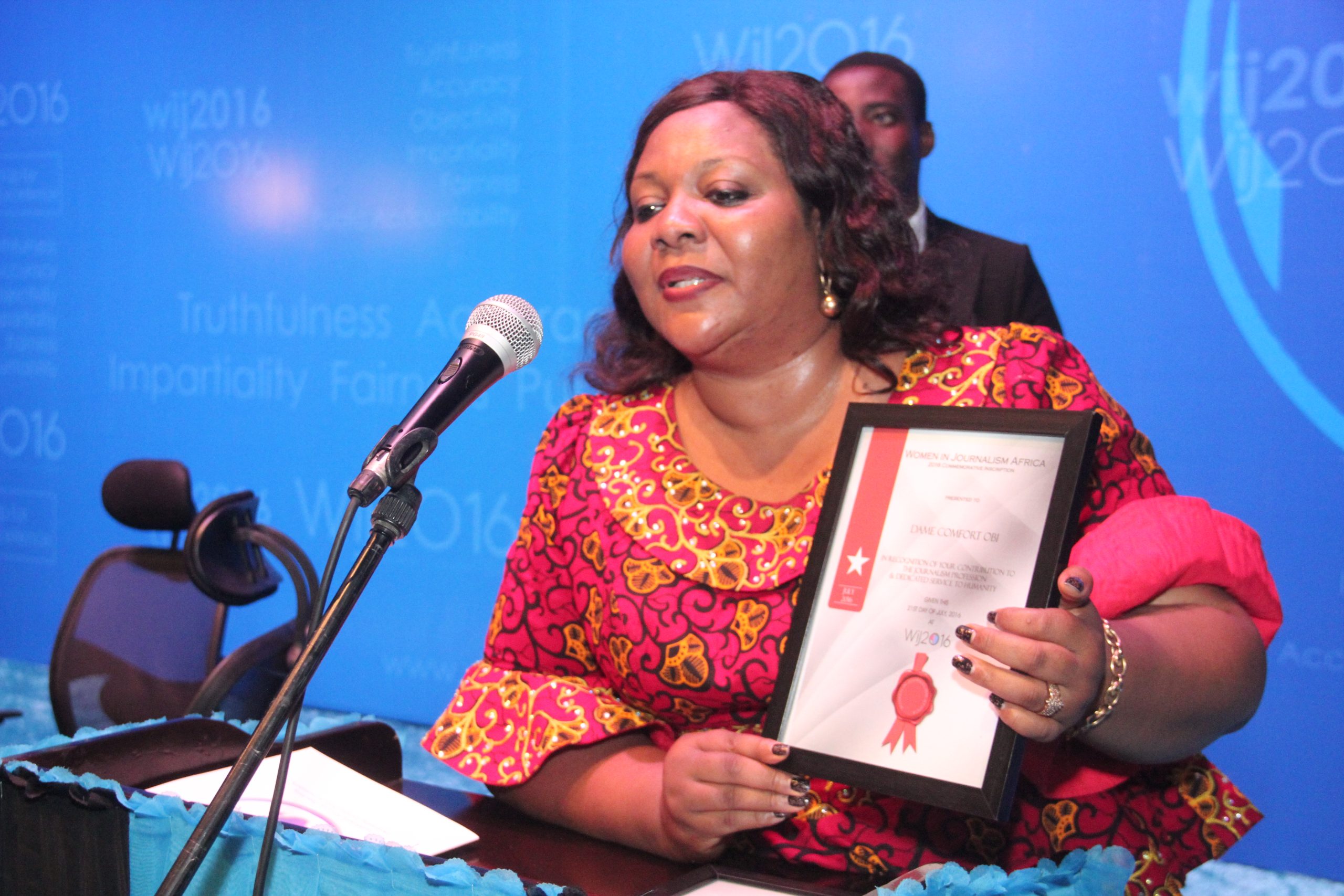
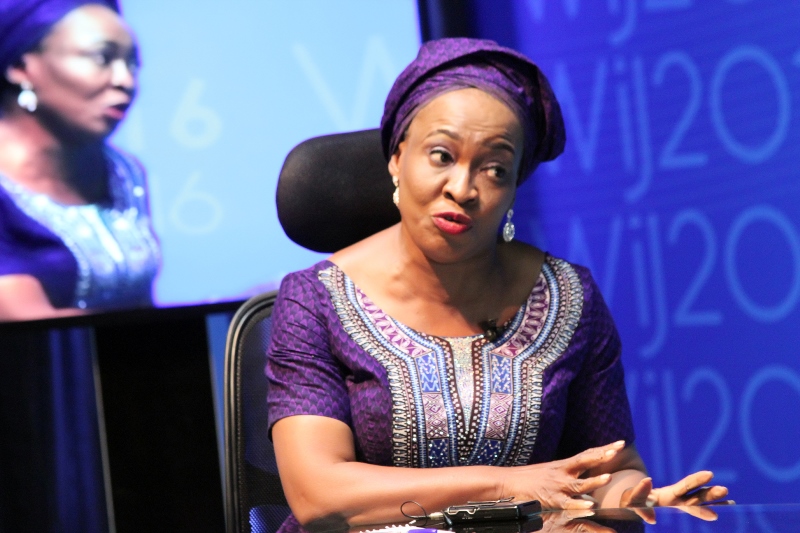
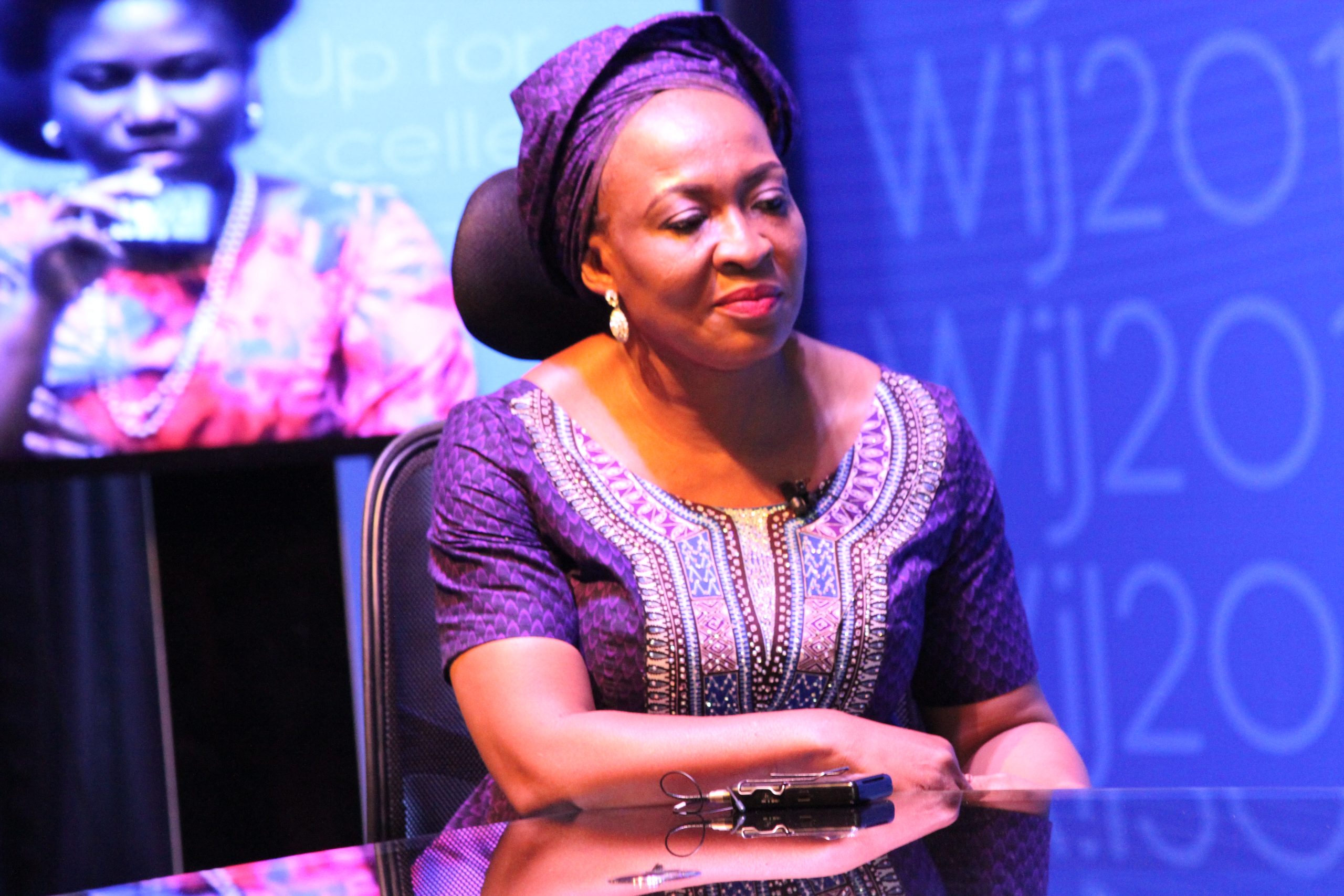
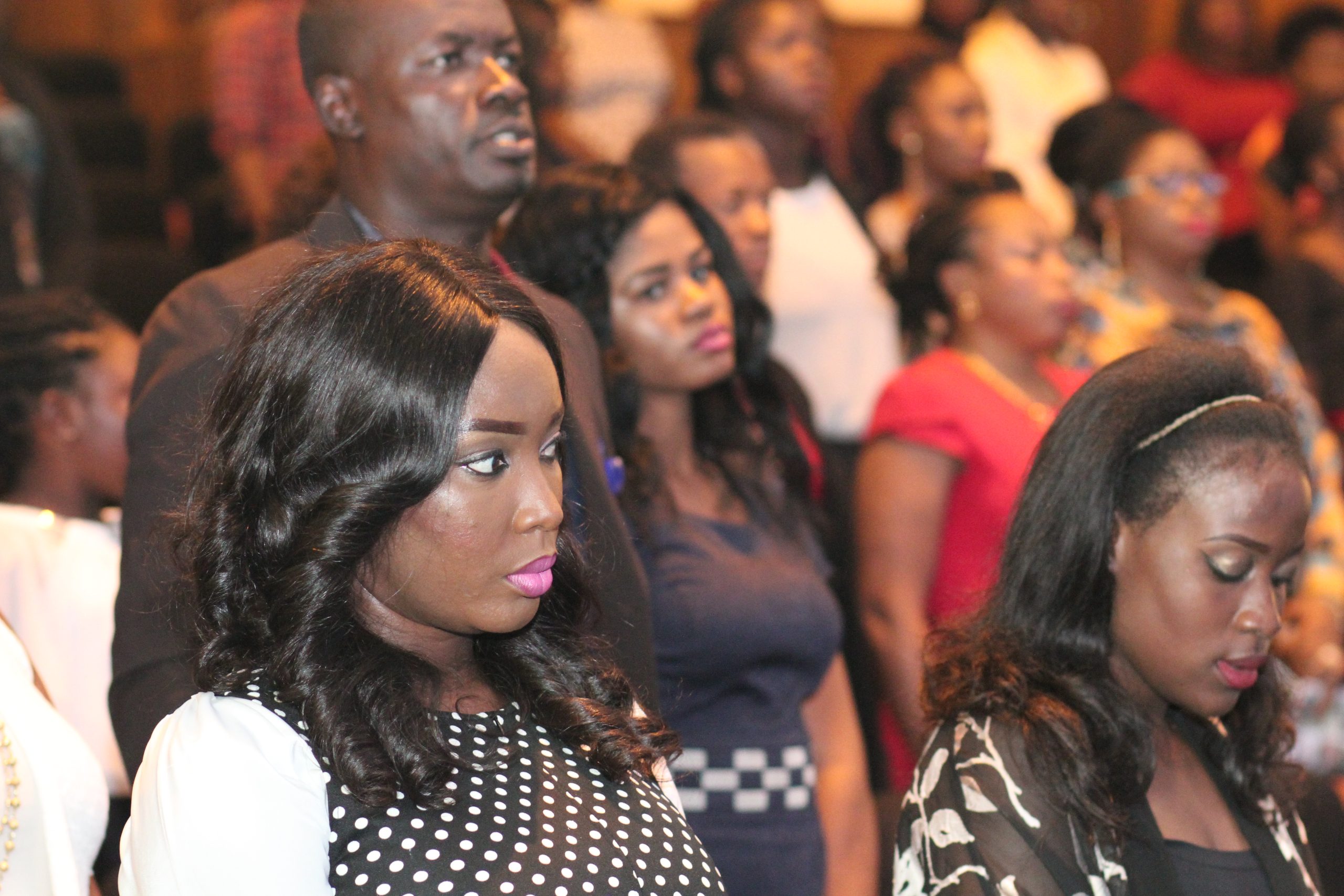
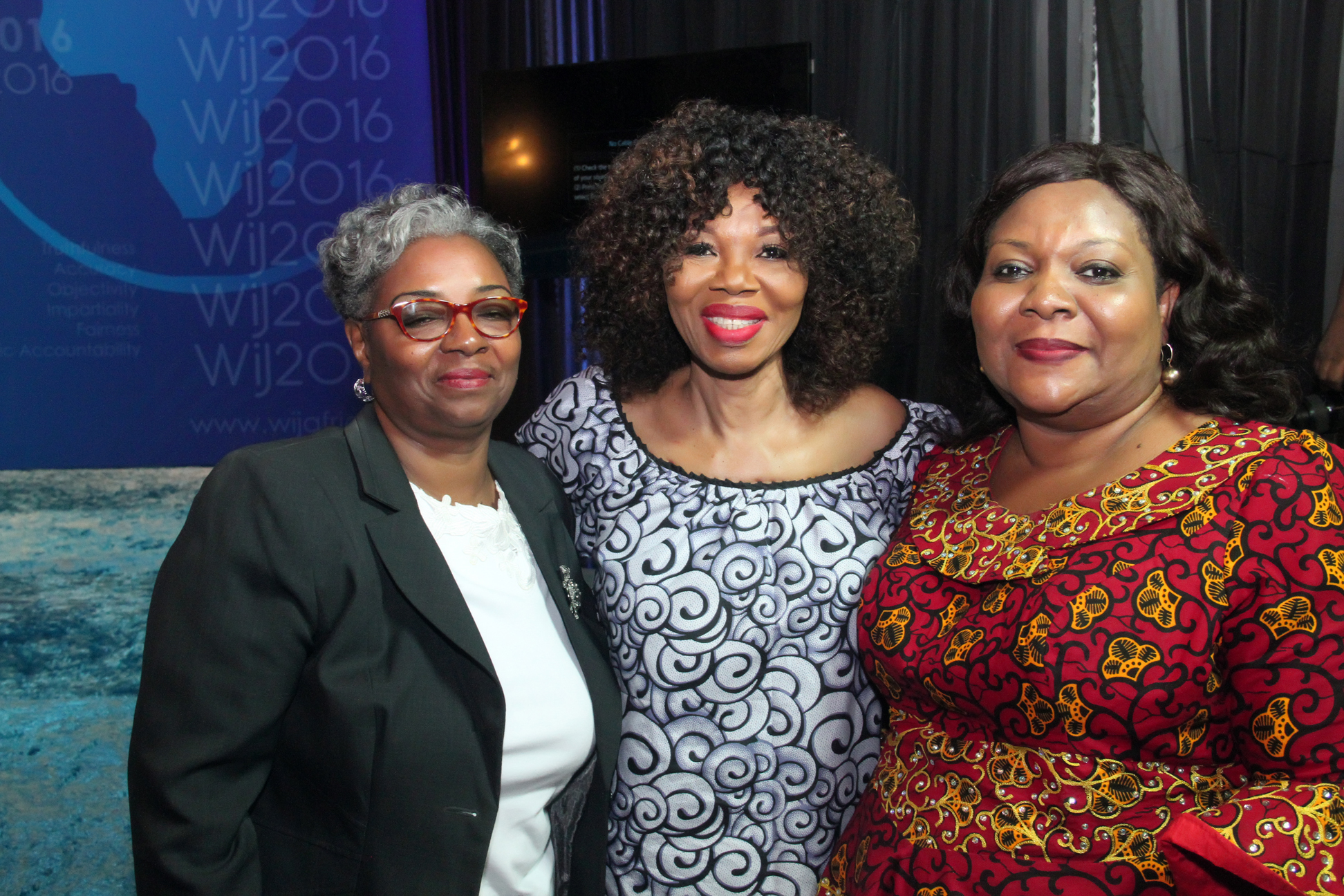
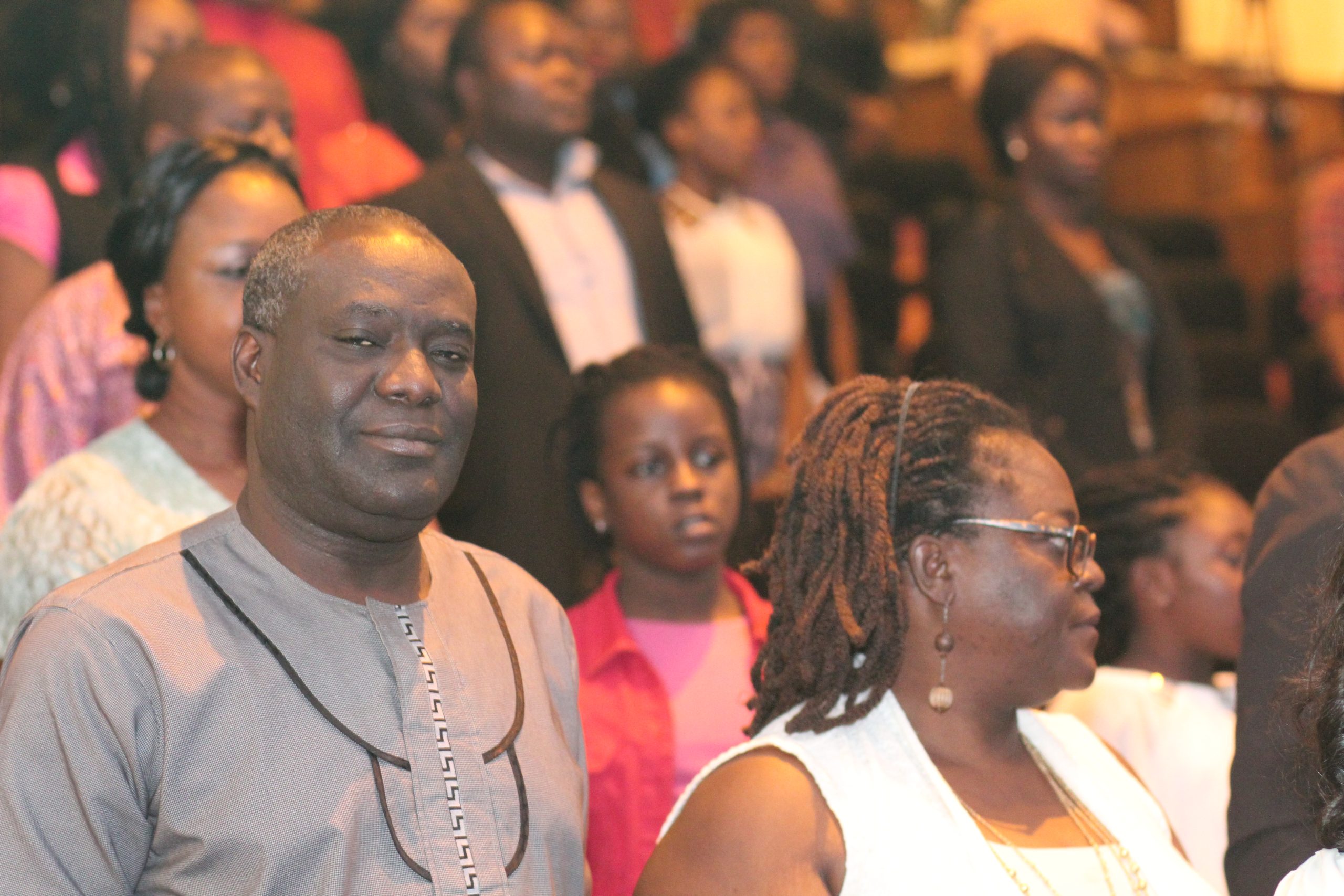
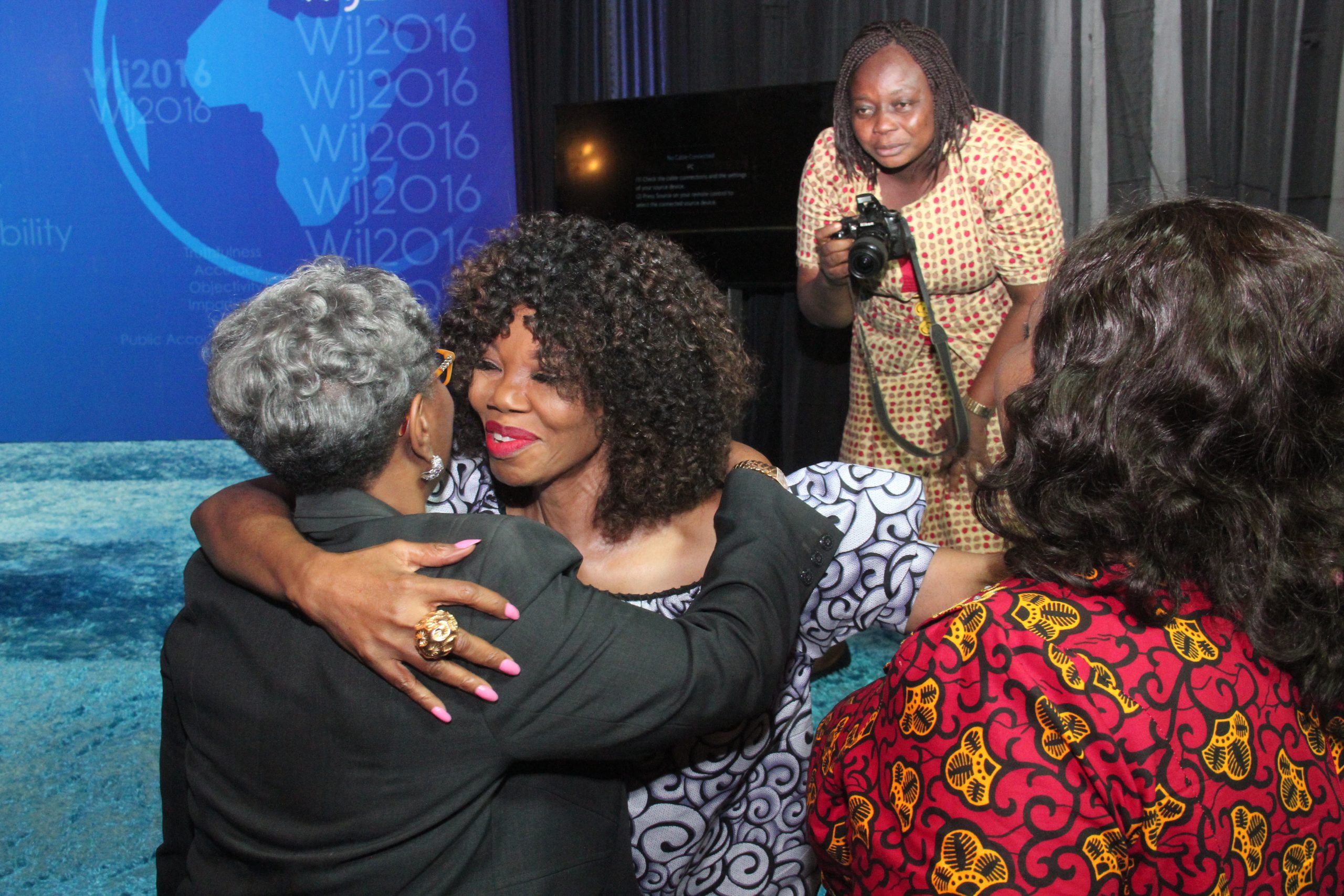
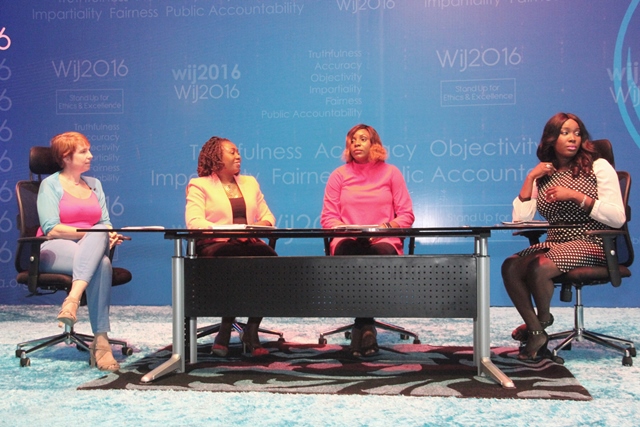
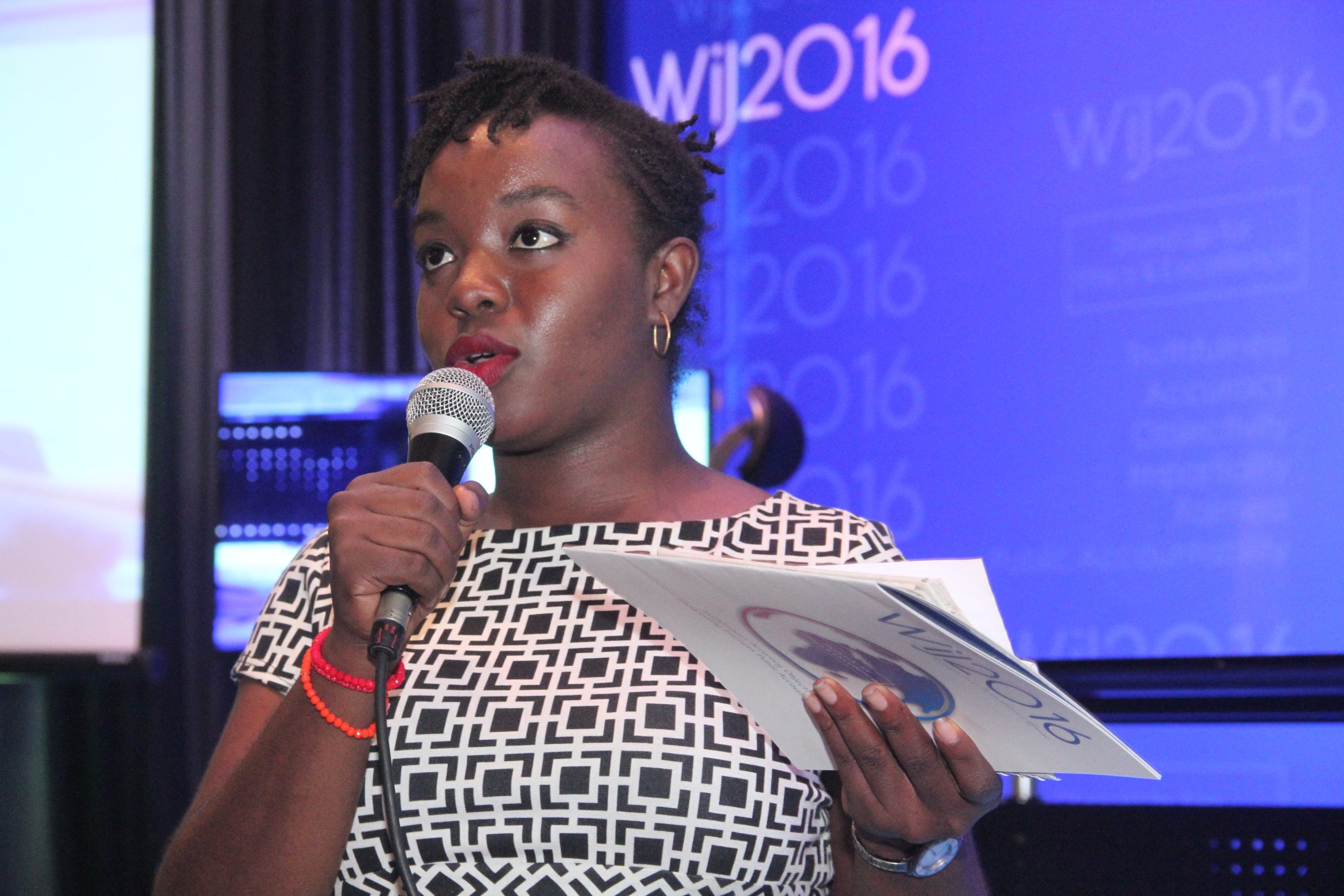
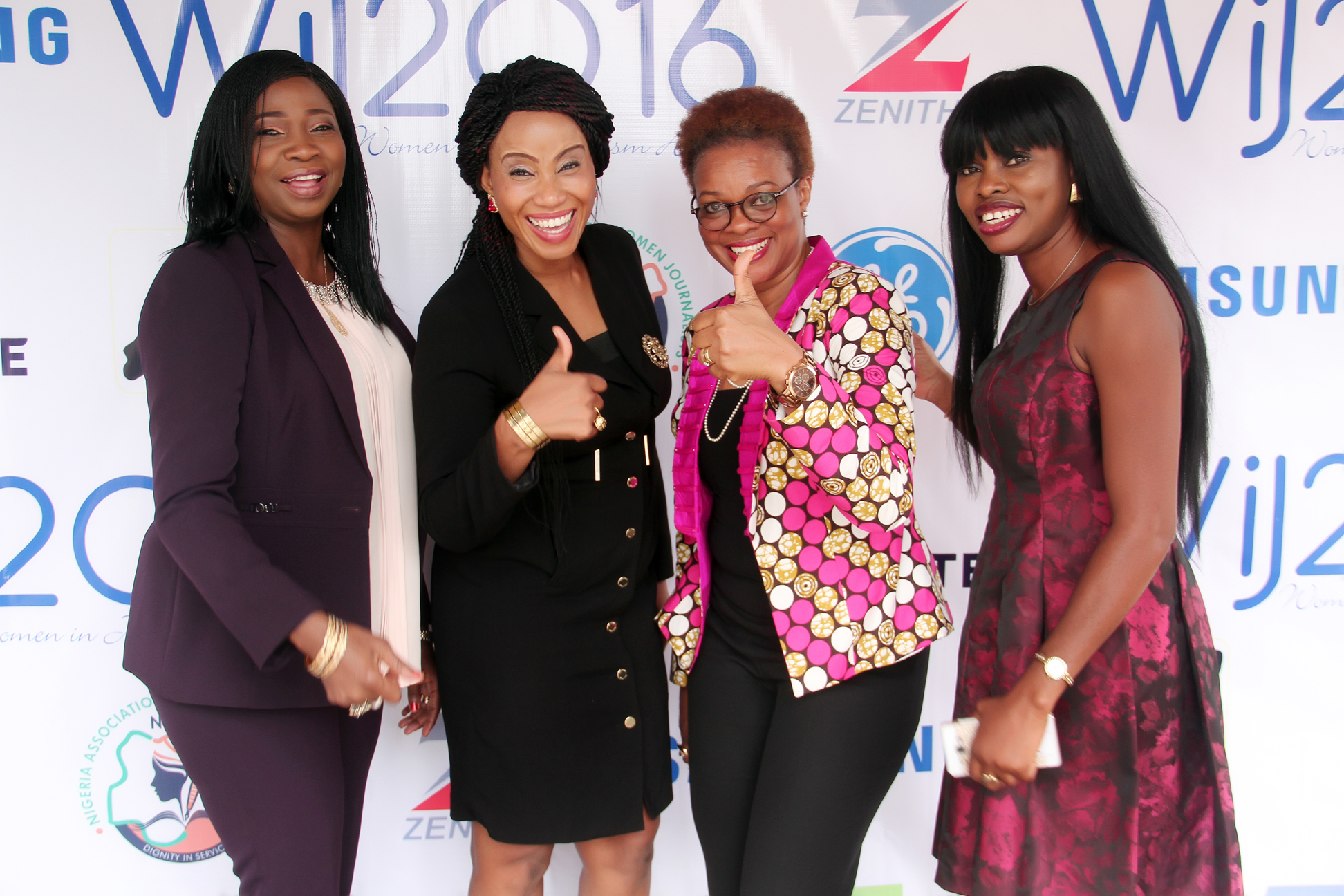
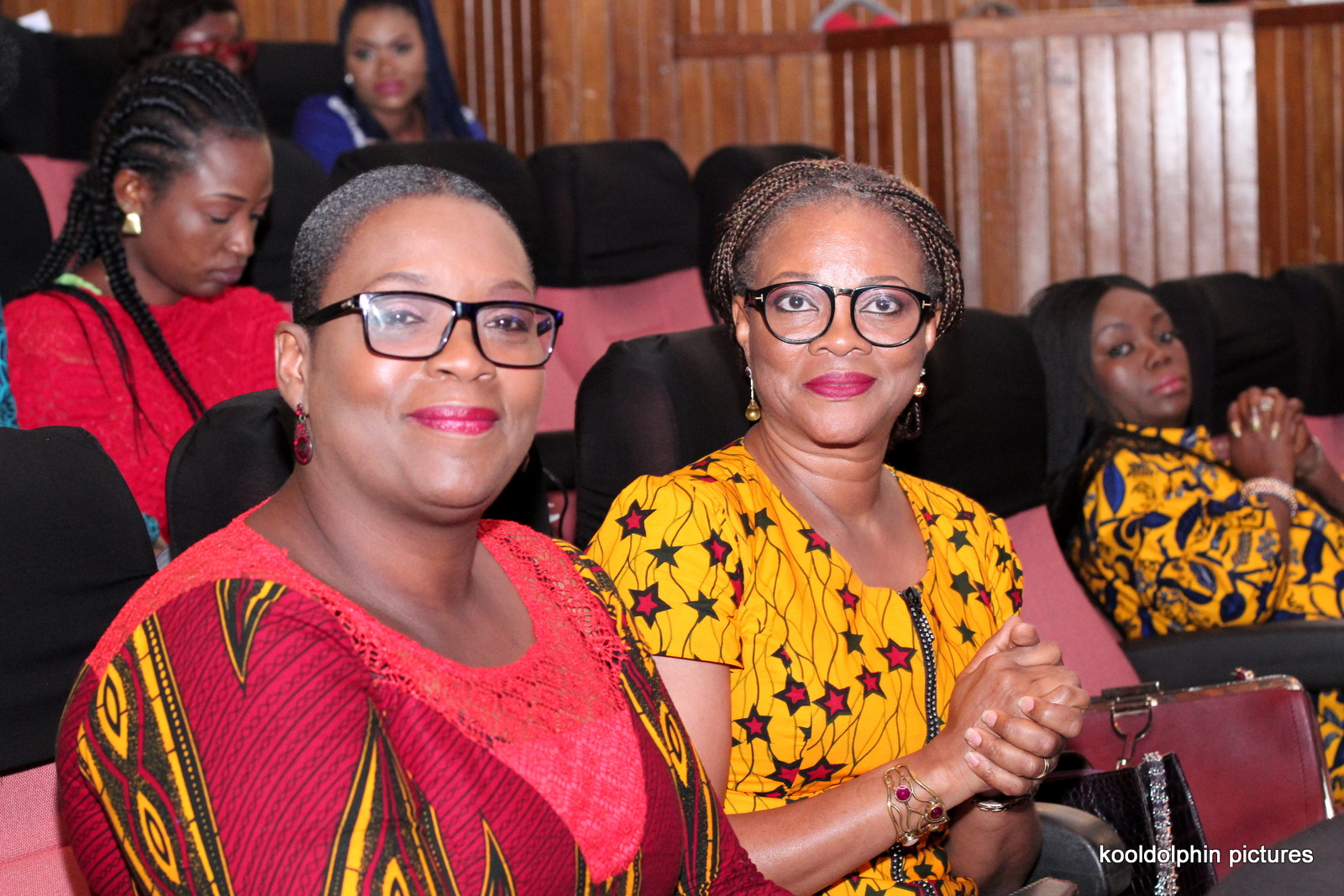
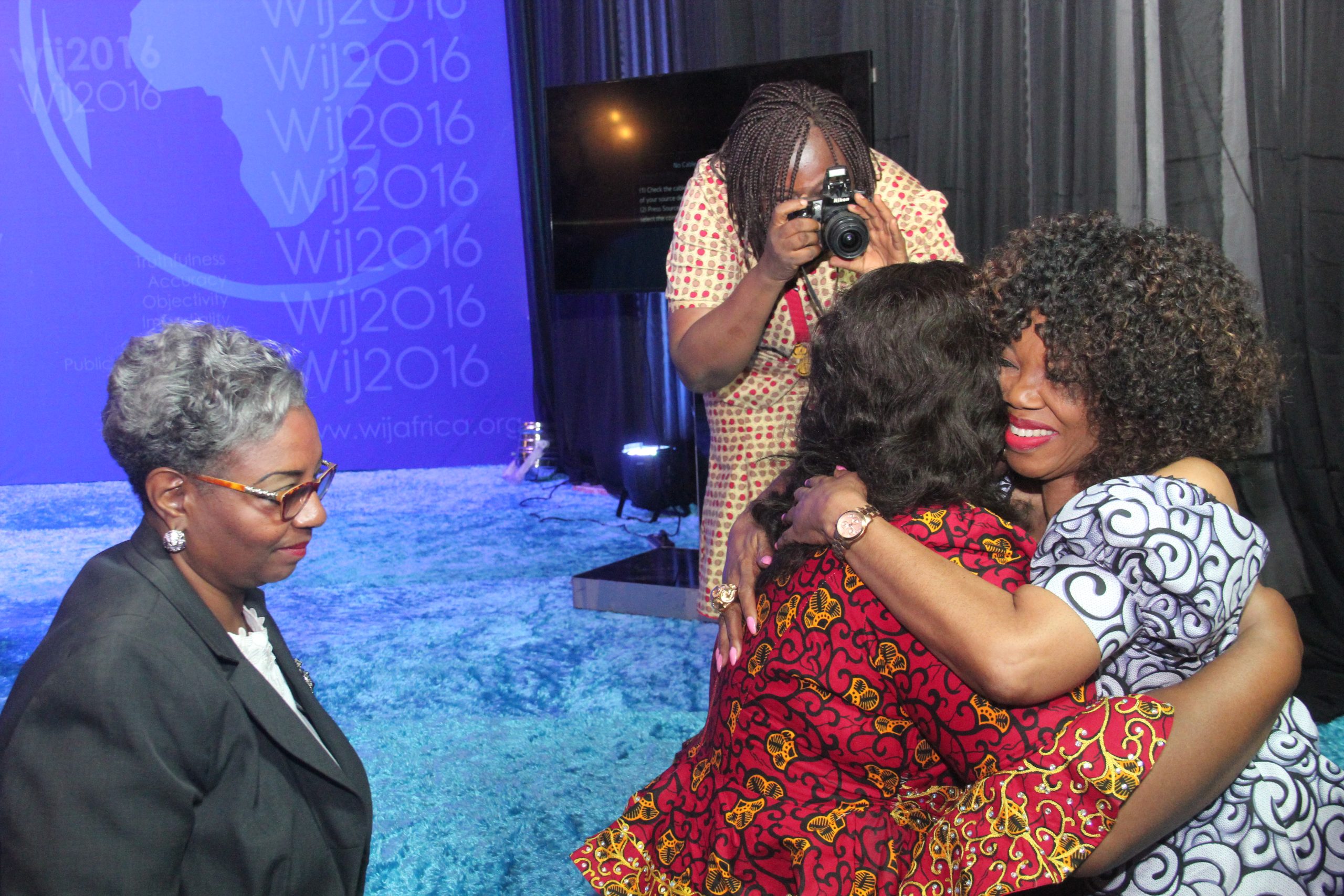
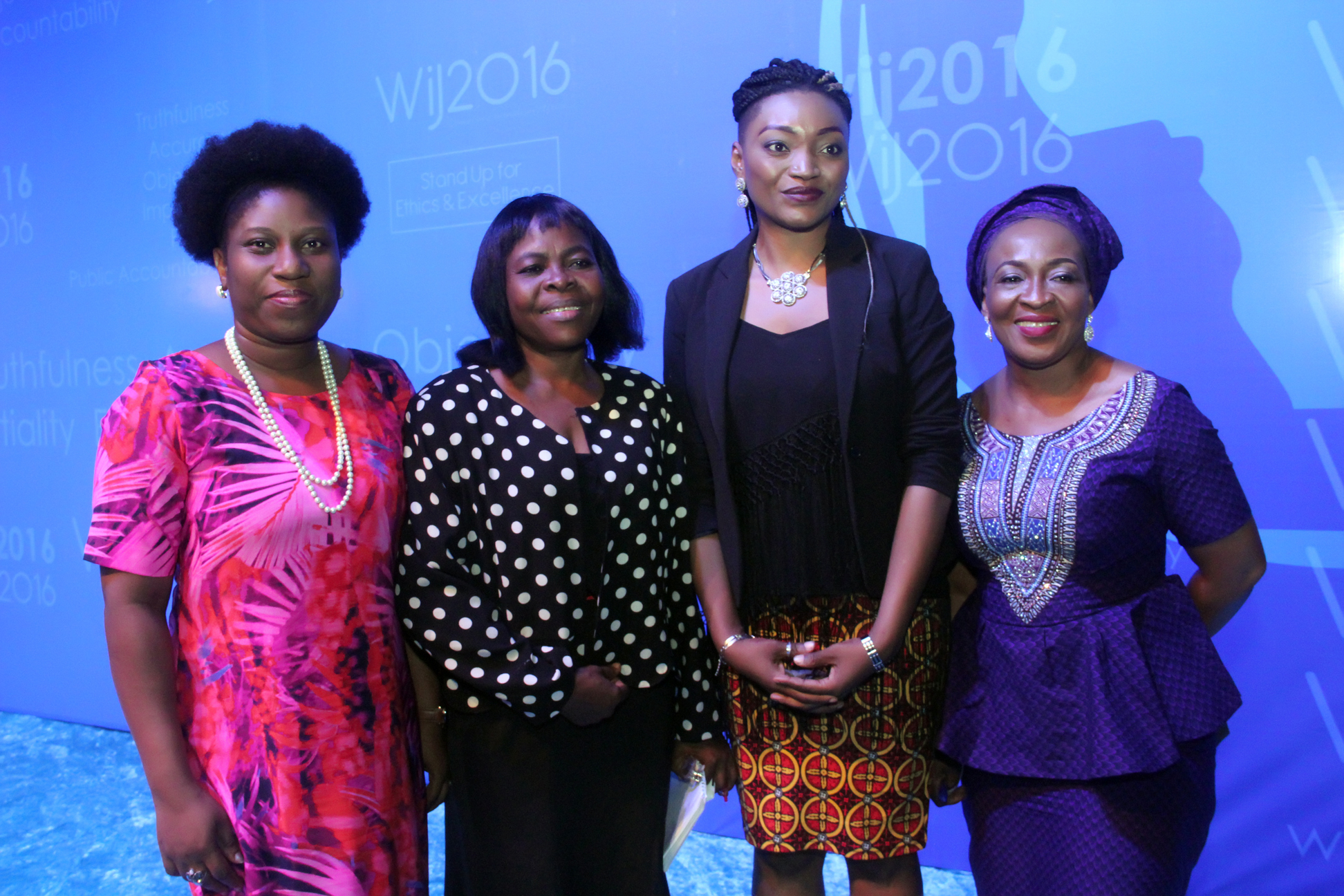
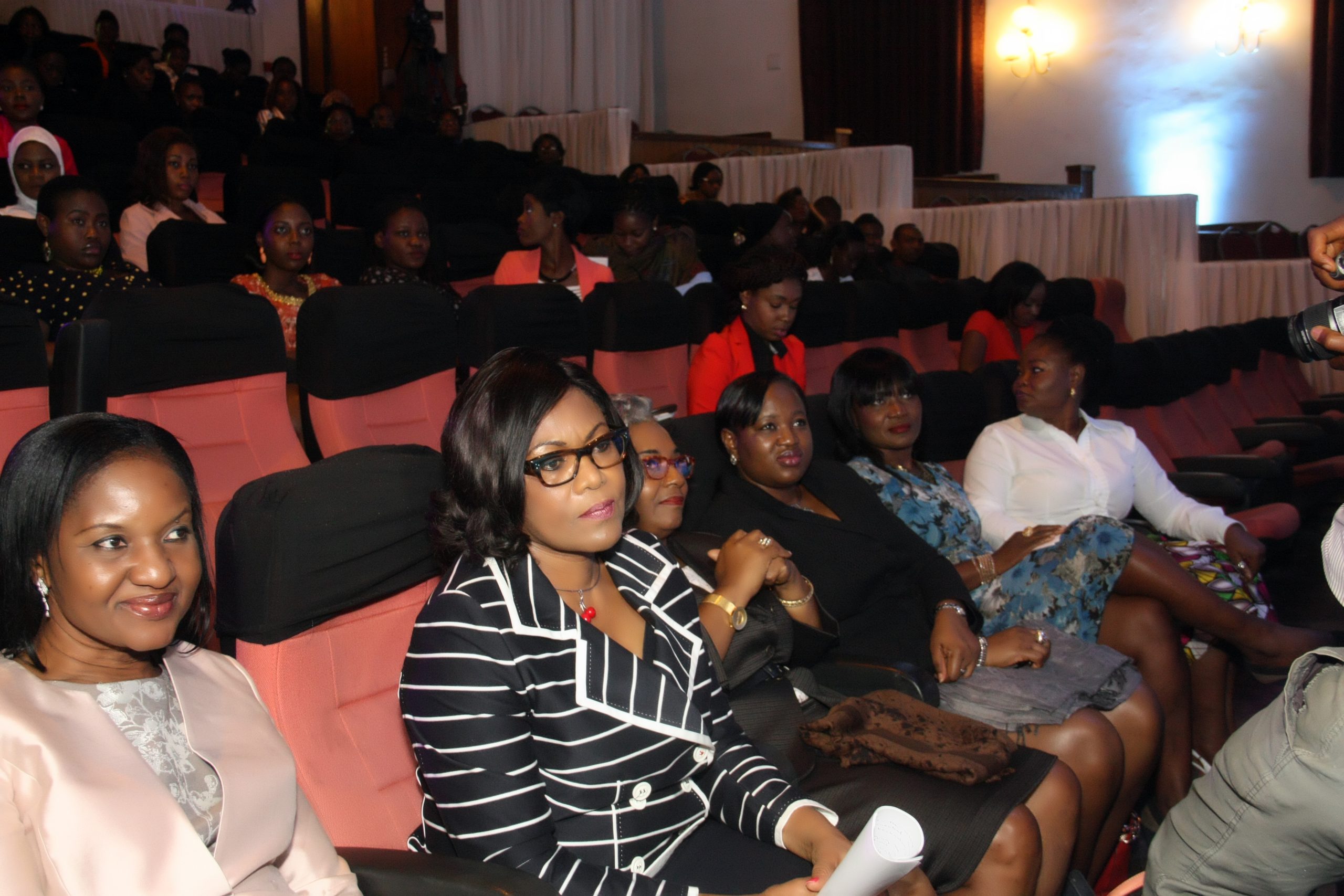
WIJAFRICA 2016.
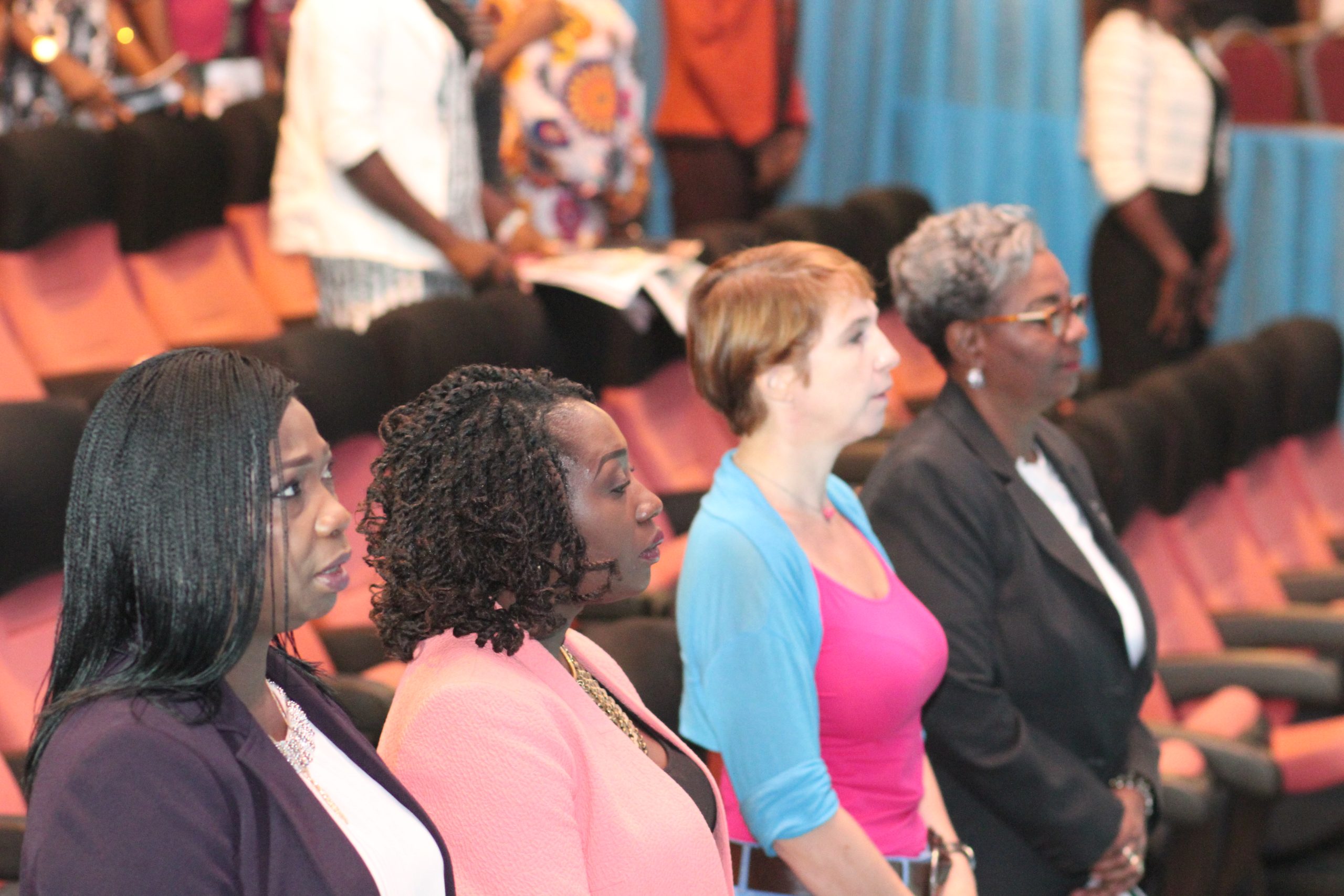
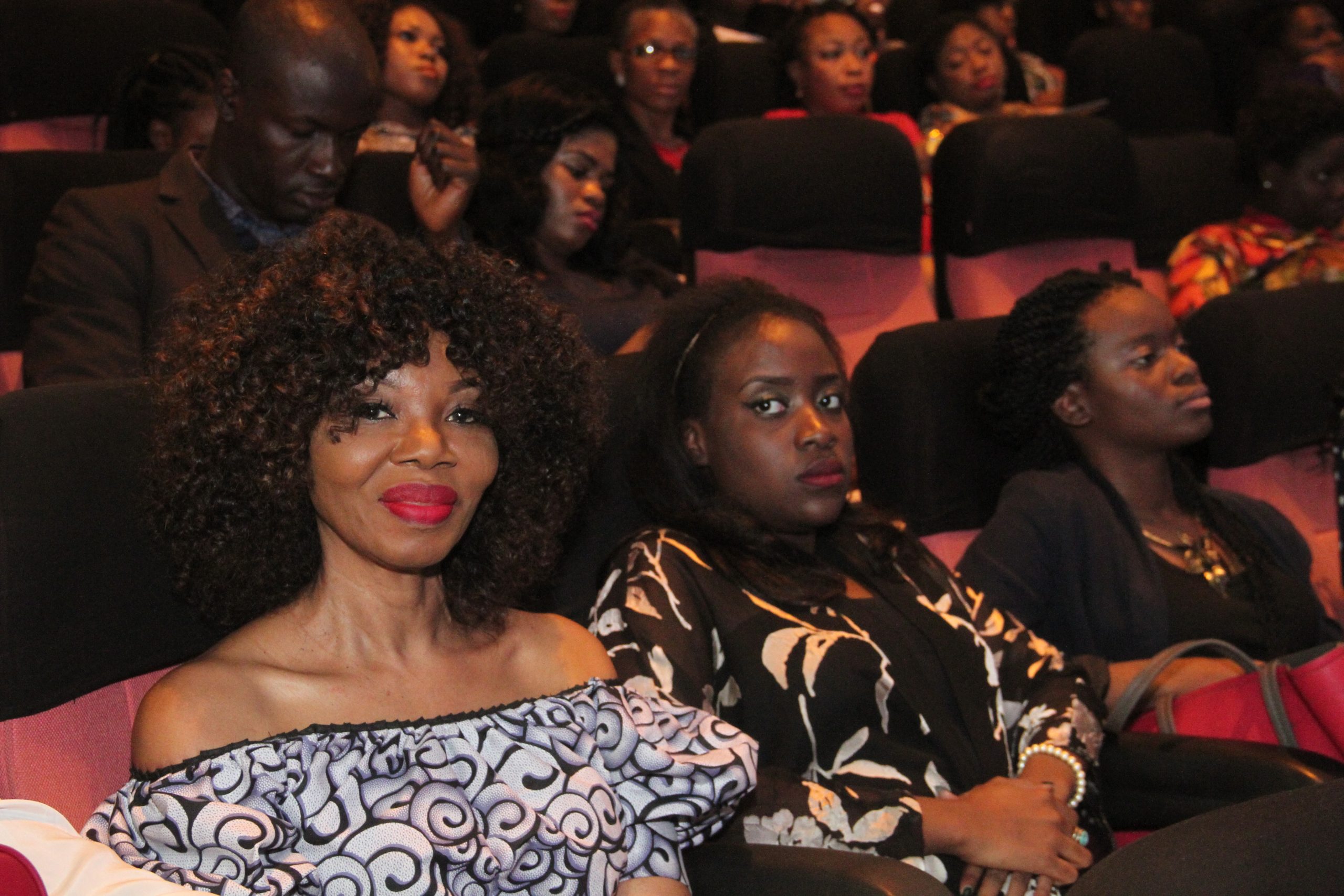

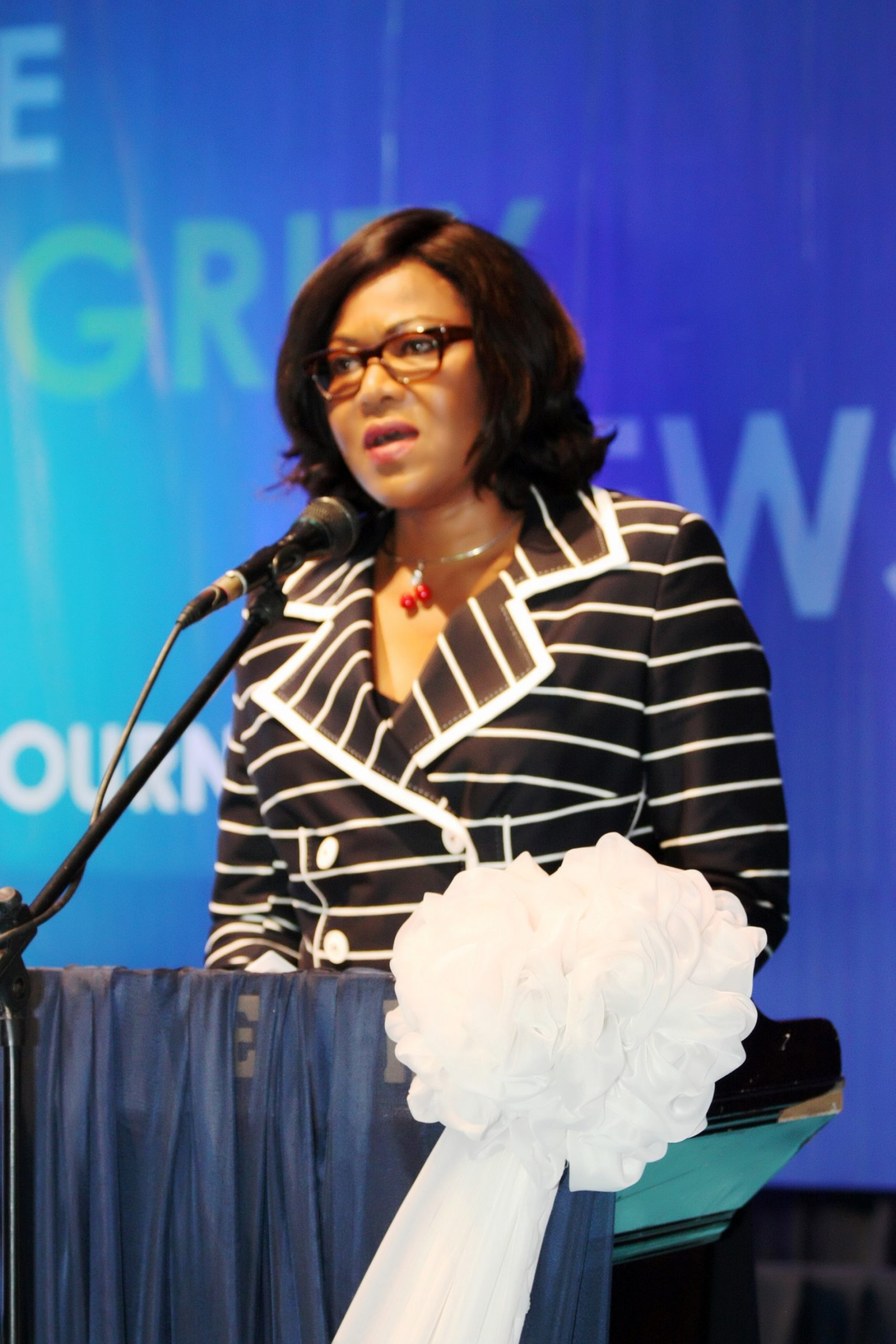
WIJAFRICA
At its core, WIJAFRICA remains committed to the idea that journalism matters, and that women are central to its future. WIJAFRICA embarked on a 4-month study involving 170 journalists across 50 media organisations to examine pay, welfare and working conditions in Nigeria’s media industry
Over the years, WIJAFRICA has expanded its impact beyond the annual summit, supporting training initiatives, partnerships, and opportunities that help women journalists grow and thrive at different stages of their careers. At its core, WIJAFRICA remains committed to the idea that journalism matters, and that women are central to its future.
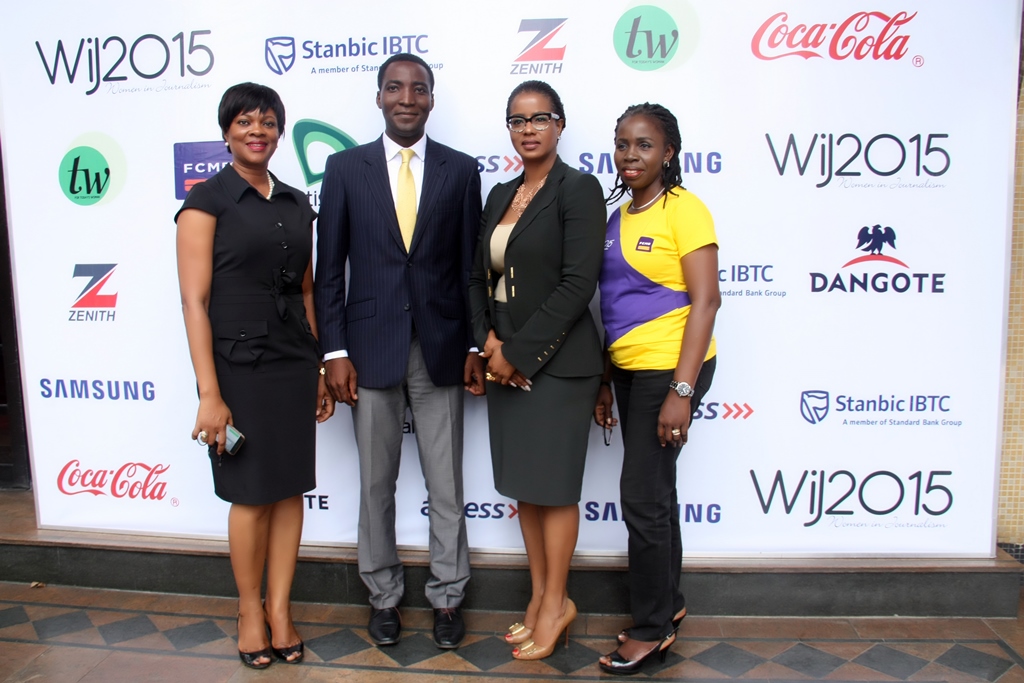
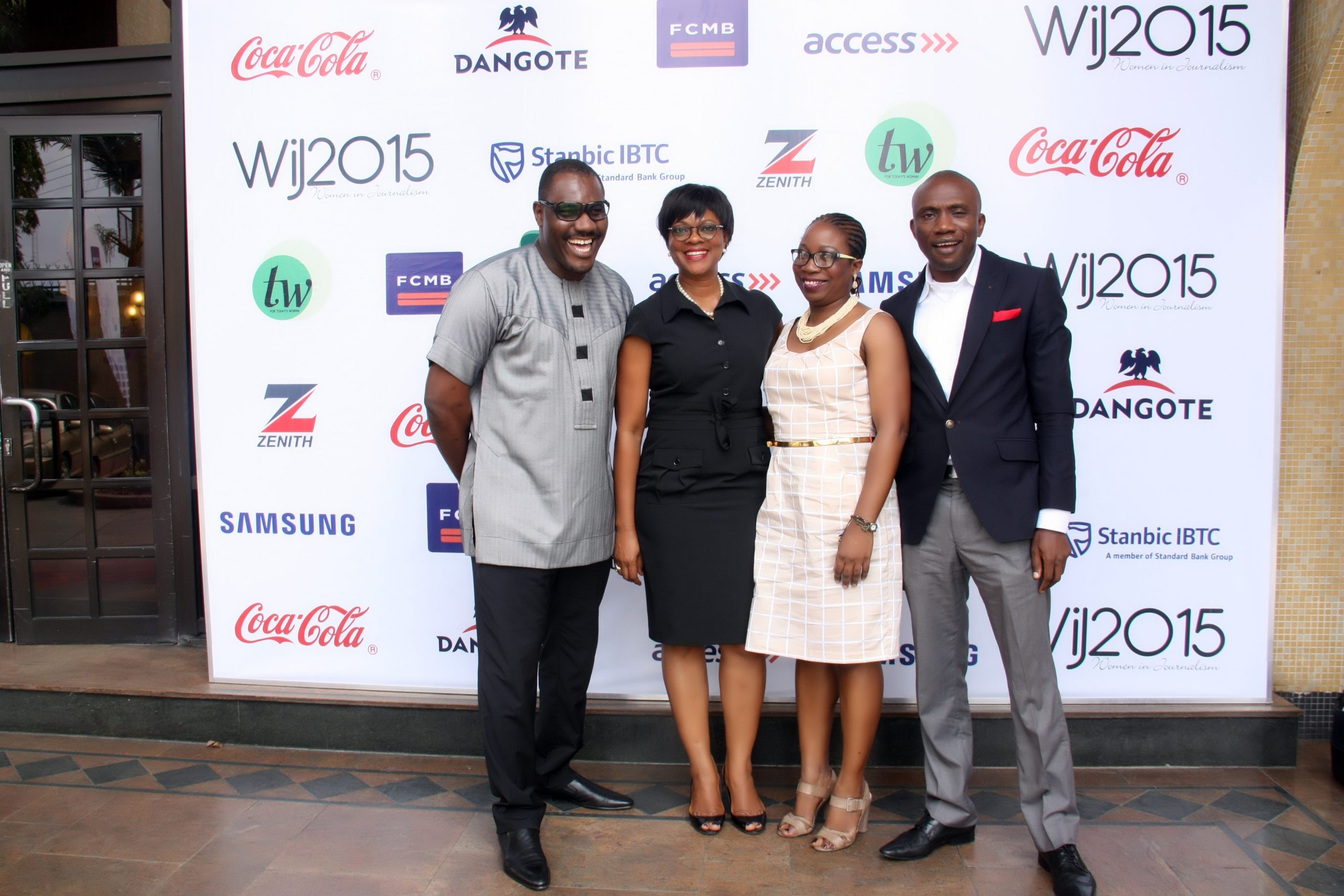
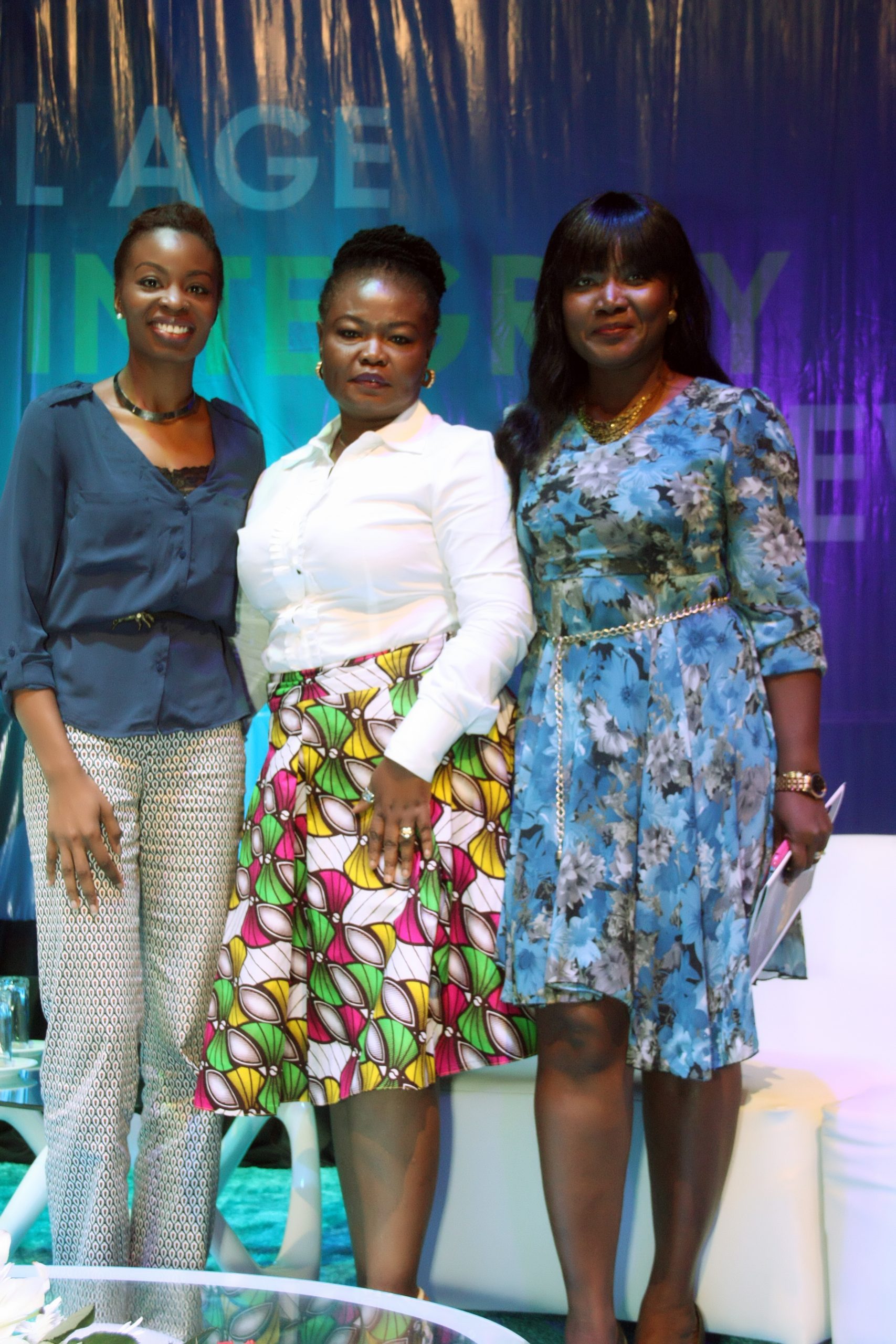
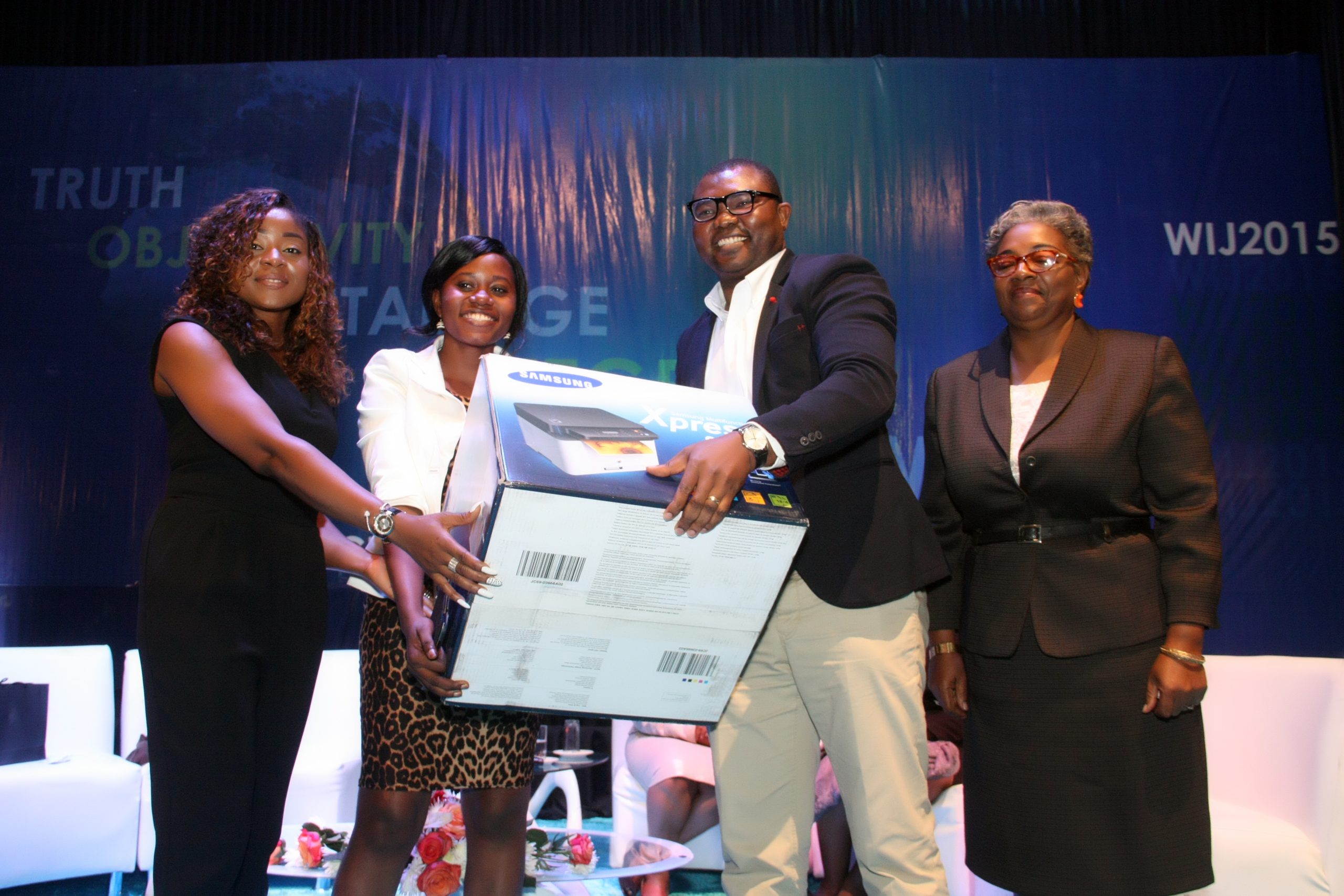
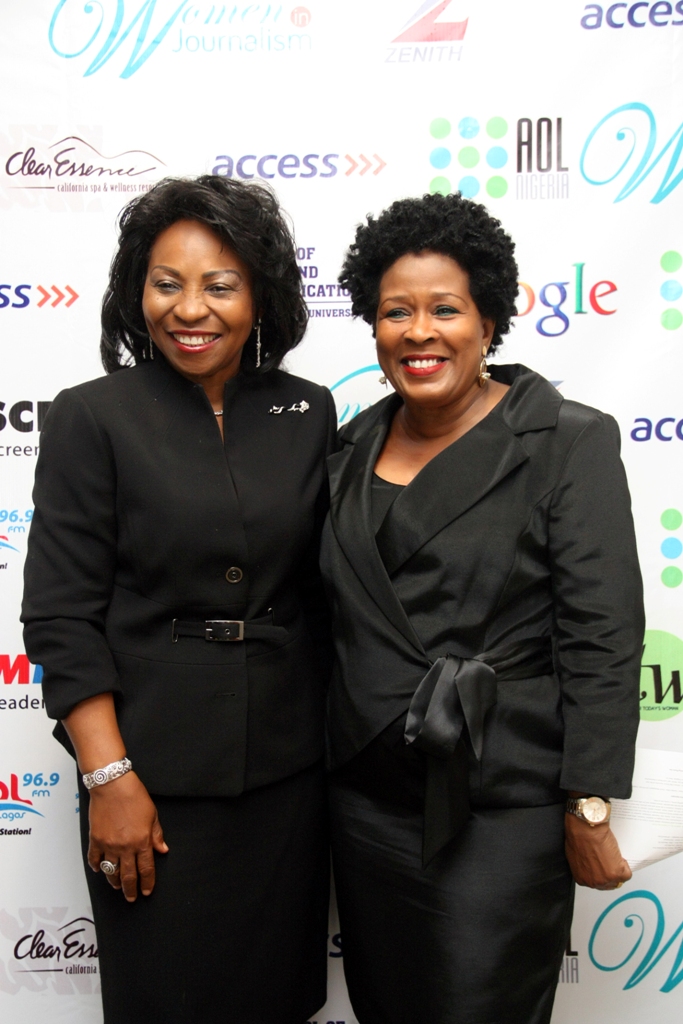
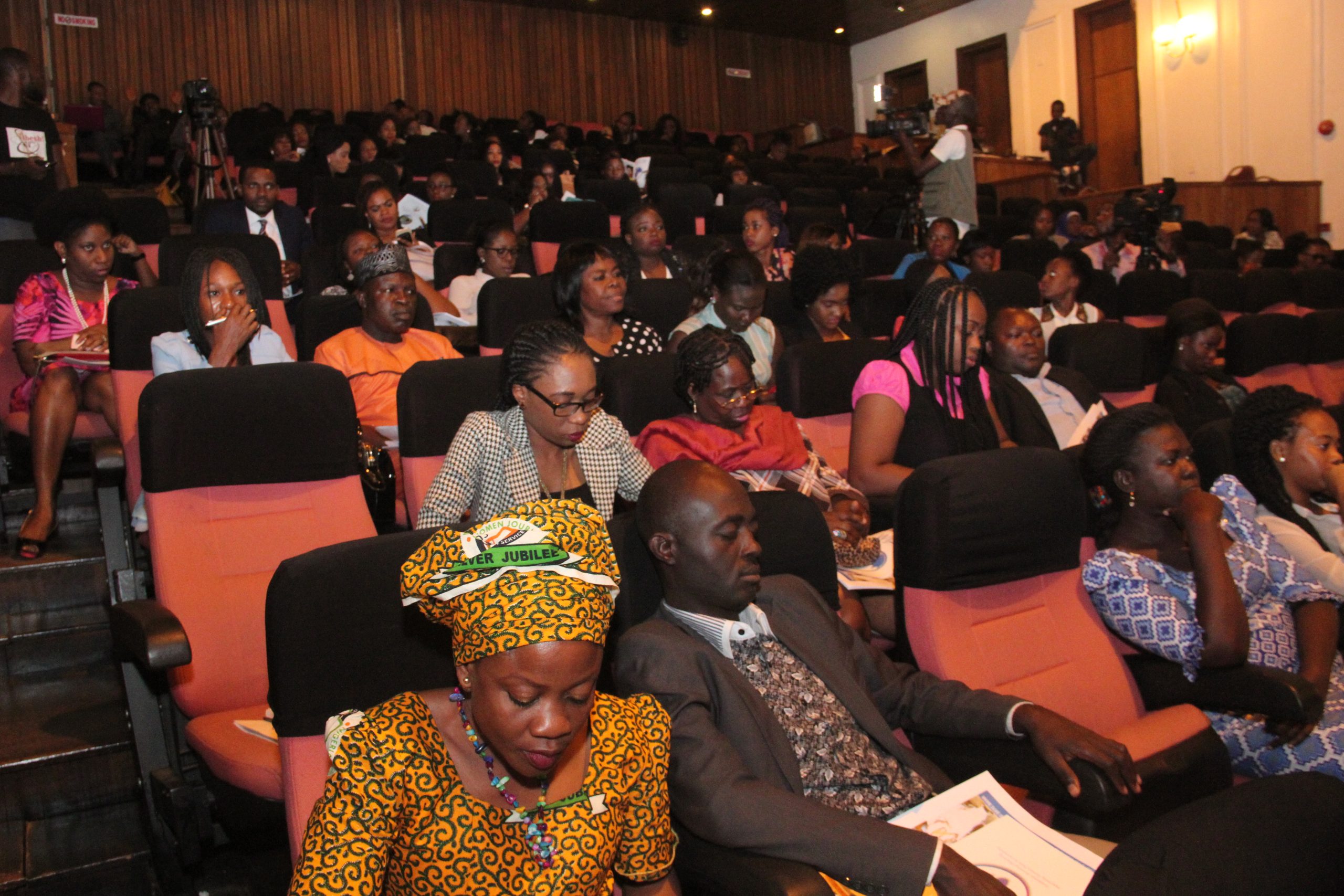
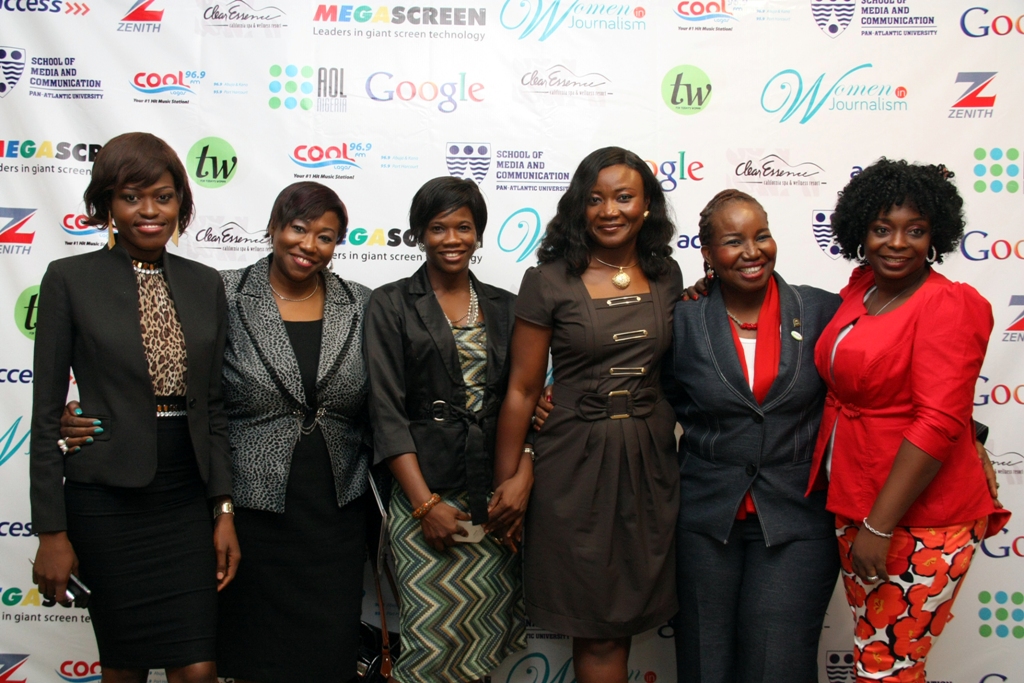
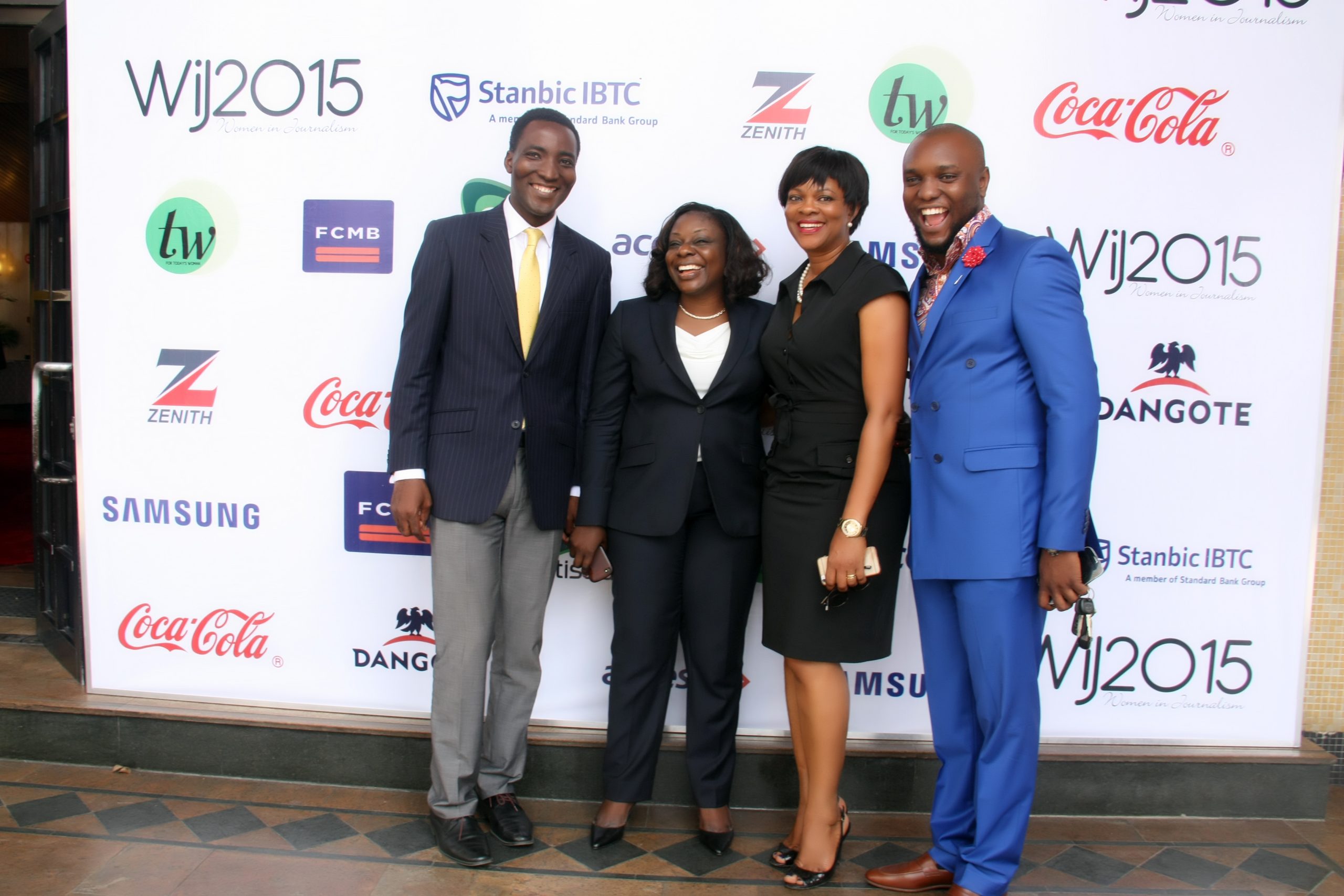
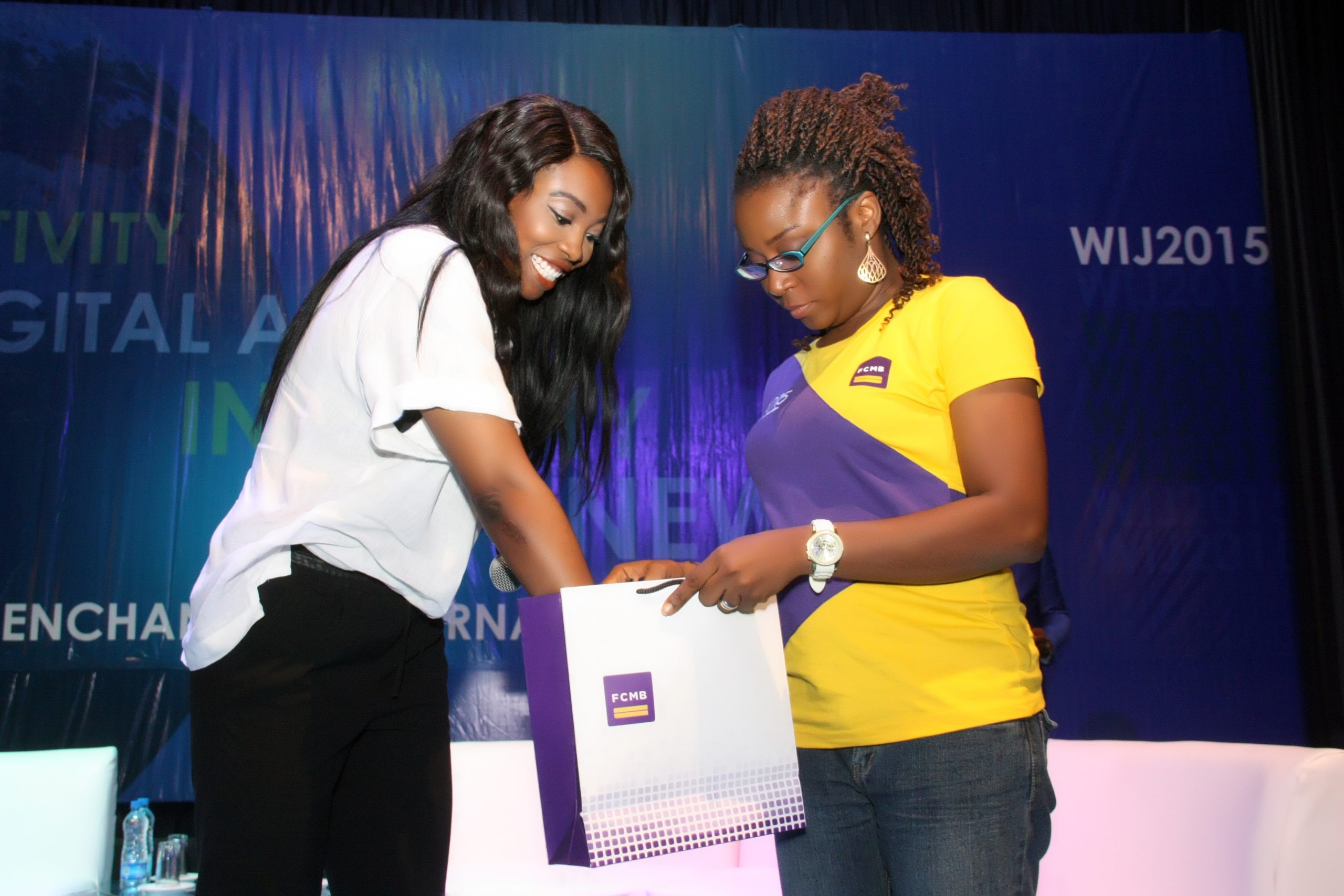
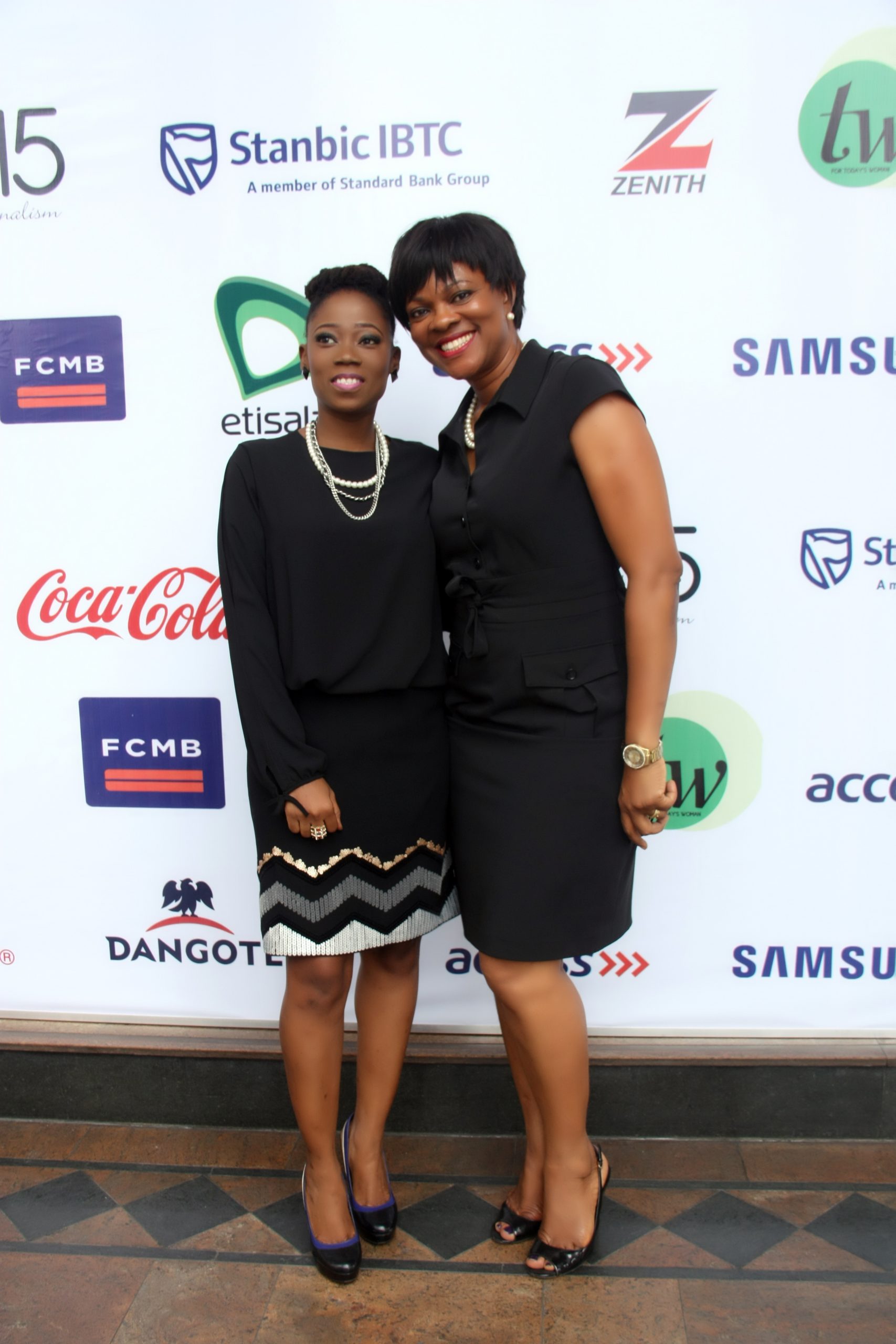
WIJAFRICA 2015.